Your energy bill spikes every summer when air conditioning runs full blast, and you’ve probably considered solar panels. But there’s another technology quietly making its way into smart homes across the country: thermal solar energy systems. Unlike the photovoltaic panels most people picture, these systems don’t create electricity. They heat water directly using the sun’s thermal energy, cutting your water heating costs by 50-80% and reducing your carbon footprint with proven technology that’s been refined for decades.
Here’s what makes thermal solar different and why it matters for your home. While traditional solar panels convert sunlight into electricity through silicon cells, thermal systems use collectors to absorb heat and transfer it to water or another fluid. Think of it as a targeted approach: if your primary energy expense is hot water for showers, laundry, and dishes, thermal solar tackles that specific need with remarkable efficiency.
The technology isn’t new, but recent improvements in collector design and storage tanks have made these systems more affordable and effective than ever. In 2026, a typical residential installation runs between $3,000 and $7,000 before incentives, substantially less than a full photovoltaic array. You’ll see payback periods of 5-10 years in most climates, faster in sunny regions with high energy costs.
This guide breaks down everything you need to know: how the systems actually work, what components you’ll need, realistic cost expectations, and whether thermal solar makes sense for your specific situation. No confusing jargon, just practical information to help you decide.
How Thermal Solar Energy Works (The Simple Explanation)
Think of it this way: thermal solar panels work exactly like a garden hose left in the sun on a summer day. The water inside heats up because the sun’s energy warms the hose material, which transfers that heat to the water. Thermal solar systems use this same basic principle, just with better materials and smarter design.
Instead of turning sunlight into electricity like photovoltaic panels do, thermal solar collectors absorb heat directly. The panels contain tubes or channels filled with a fluid (usually water or a water-antifreeze mix). When sunlight hits the dark-colored surface of the collector, that surface heats up quickly. The heat transfers into the fluid flowing through the tubes.
Here’s what makes these systems different from the solar panels most people picture. Regular solar panels convert light into electricity using silicon cells and complex semiconductor physics. Thermal solar skips all that complexity. It’s pure heat transfer: sun heats panel, panel heats fluid, fluid carries heat where you need it.
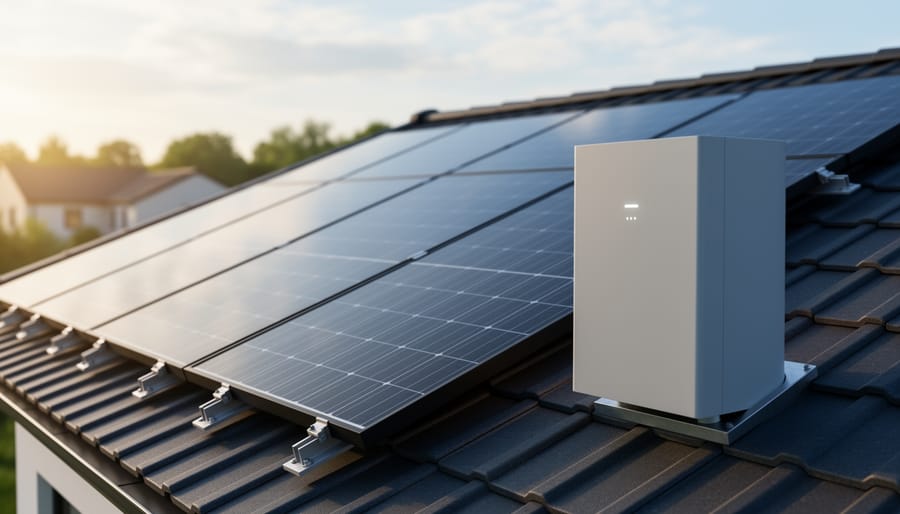
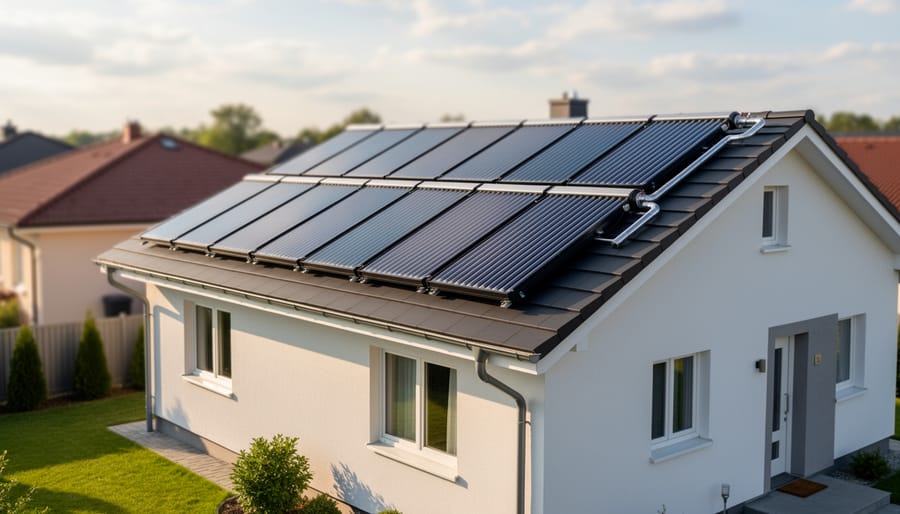
The collectors themselves look similar to photovoltaic panels from a distance, but they’re doing something much simpler under the surface. Most use either flat plates with a dark absorber surface or evacuated tubes that trap heat like a thermos. The fluid circulates through these collectors, picks up heat, then carries that warmth to wherever you need it, whether that’s your water heater, your pool, or a storage tank for later use.
Once the fluid delivers its heat to your water or heating system, it cycles back to the collectors to warm up again. This continuous loop keeps moving heat from your roof to where it’s useful. No electricity generation, no inverters, no batteries. Just heat moving from point A to point B, powered entirely by the sun.
The Two Main Types of Thermal Solar Systems
Active Thermal Systems: Pumps and Precision
Active thermal systems are the workhorses of residential solar heating. Unlike their passive cousins, active solar uses pumps and electronic controllers to circulate fluid through the system, giving you precise control over when and how heat moves through your home.
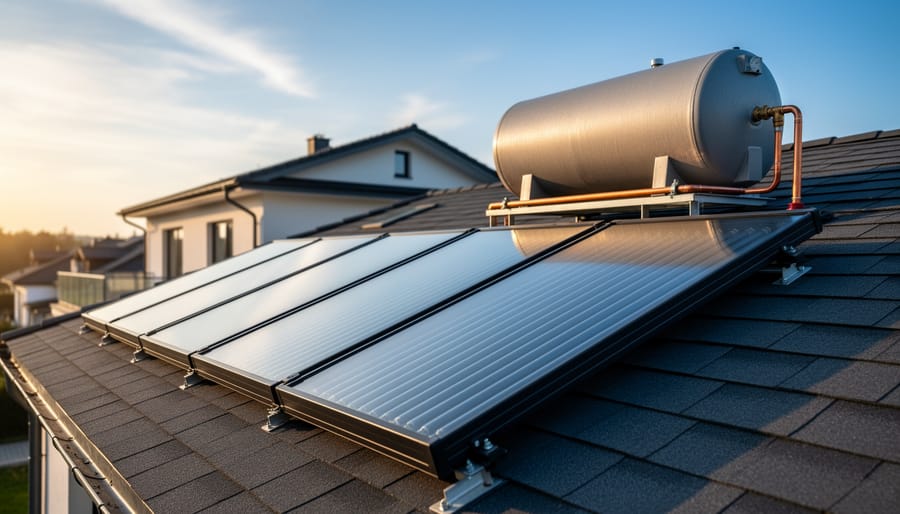
Here’s what makes them tick: solar collectors on your roof heat a fluid (either water or an antifreeze mixture), which a pump then pushes through pipes to a storage tank or heat exchanger. Electronic controllers monitor temperatures at multiple points, switching the pump on when the collectors are hot enough to be useful and off when they’re not. This automation means you’re not leaving efficiency to chance.
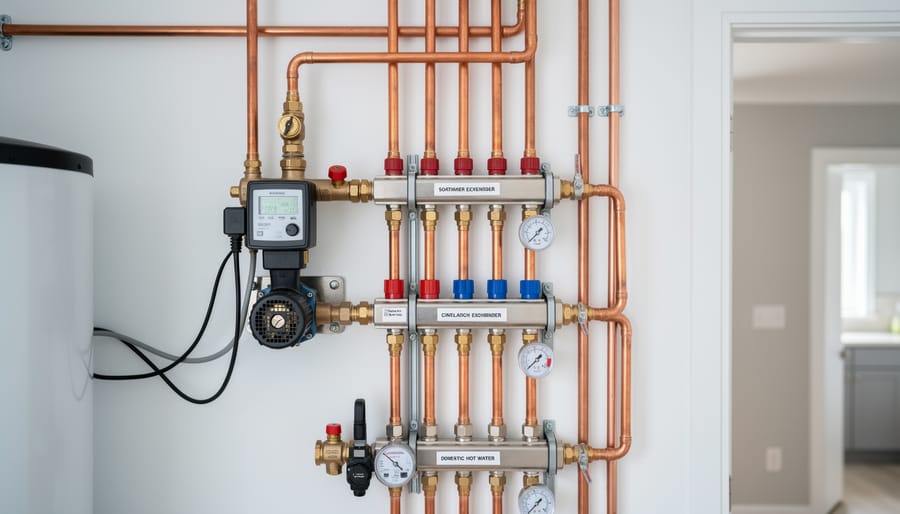
The main components include the collectors themselves, circulation pumps (usually small and energy-efficient), a controller with temperature sensors, a storage tank, and sometimes a heat exchanger if you’re using antifreeze in the collectors but want to heat potable water. In colder climates, you’ll typically see a closed-loop system where antifreeze circulates to the collectors while your drinking water stays separate, protected from freezing.
Active systems shine for domestic hot water heating because they can deliver consistent hot water year-round, even in winter. They’re also your best bet for space heating through radiant floors or baseboard systems, where you need reliable heat transfer on demand. The trade-off? More complexity means higher upfront costs and occasional pump or controller maintenance. But for serious energy savings and consistent performance, that precision pays off.
Passive Thermal Systems: Simple and Silent
Passive thermal systems take the minimalist approach. Instead of relying on pumps and controllers, they harness natural physical principles, primarily convection and thermosiphoning, to move heated fluid through the system. When water in the collector heats up, it becomes less dense and rises naturally, while cooler water sinks to replace it. This creates a continuous loop without any mechanical assistance.
The simplicity pays off. With fewer moving parts, there’s less that can break or require regular servicing. You won’t hear the hum of pumps or worry about controller failures. Most passive systems can operate reliably for decades with minimal intervention beyond occasional visual checks and basic cleaning.
These systems work best in mild to warm climates where freezing isn’t a major concern. They’re particularly well-suited for vacation homes, cabins, or properties where you want a set-it-and-forget-it solution for domestic hot water. The initial cost typically runs 20 to 30 percent lower than comparable active systems, making them attractive for budget-conscious homeowners.
That said, passive systems do have limitations. They generally deliver less precise temperature control and may not perform as efficiently in very cold weather. You’ll also need to position the storage tank above the collectors for proper thermosiphoning, which can limit installation flexibility depending on your roof and home layout.
For straightforward water heating in the right climate, though, passive systems deliver reliable performance without the complexity. Sometimes the simplest solution really is the best one.
What You Can Actually Use Thermal Solar For
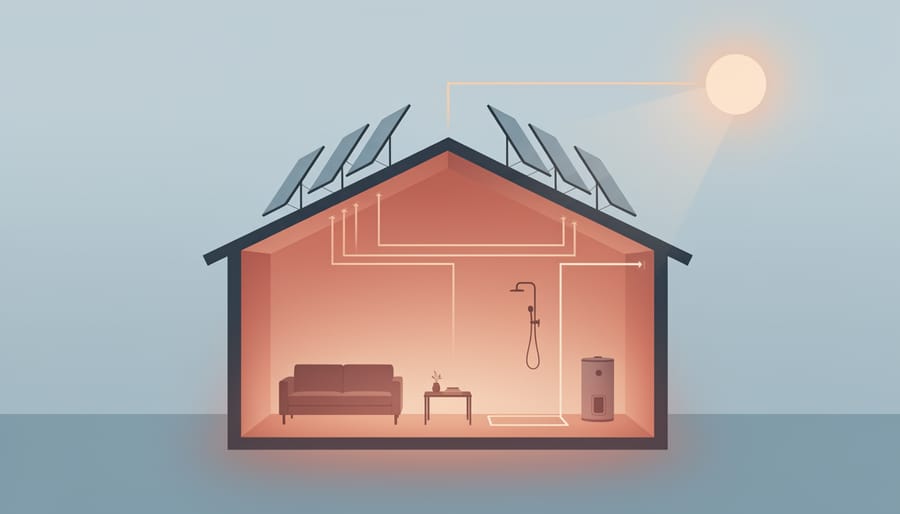
Most homeowners install thermal solar systems primarily for domestic hot water, and for good reason. A well-sized system can provide 50 to 80 percent of a household’s hot water needs throughout the year, depending on your climate and usage patterns. This means your conventional water heater runs far less often, cutting the energy required to heat water by half or more in many cases. In sunny regions, you might hit 100 percent solar coverage during summer months, though you’ll need backup heating in winter or on cloudy stretches.
Beyond hot water, thermal solar excels at heating swimming pools. Because pools don’t require extremely high temperatures, the collectors work efficiently even on partly cloudy days. In fact, solar pool heating reduces costs significantly compared to gas or electric pool heaters, and the systems typically pay for themselves within two to four years. The setup is straightforward: pool water circulates through roof-mounted collectors and returns warmed, extending your swimming season without the ongoing fuel bills.
Space heating is the third common application, though it demands more collector area and storage capacity than water heating alone. Thermal solar can supplement your existing heating system by preheating air or water before it reaches your furnace or boiler, reducing the load on conventional equipment. Radiant floor heating pairs particularly well with thermal solar because it operates at lower temperatures than forced-air systems, letting the collectors work more efficiently. Expect to cover perhaps 20 to 40 percent of your space heating needs in a typical northern climate, more in milder regions with ample winter sun.
Some systems combine these uses through careful design. You might heat domestic water year-round and divert excess heat to a pool in summer or to space heating in winter, maximizing the return on your collector investment. The key is matching the system size and configuration to your actual needs rather than trying to do everything at once on an undersized setup.
One limitation to keep in mind: thermal solar doesn’t generate electricity, so it won’t power your appliances, lights, or electronics. It addresses heat-based energy loads only. If you want both electricity and heat from the sun, you’re looking at separate photovoltaic and thermal systems, which is a bigger upfront investment but covers more of your total energy use.
The Real Costs and Savings You Can Expect in 2026
Let’s talk numbers, because this is where thermal solar either makes sense for your household or doesn’t.
A typical residential thermal solar system for water heating runs between $3,000 and $8,000 installed in 2026. Active systems with pumps and controllers sit at the higher end of that range, while simpler passive systems can come in closer to $3,000-$5,000. If you’re looking at space heating or a larger setup, you could push into the $10,000-$15,000 range. These prices include equipment, professional installation, and basic components like collectors, storage tanks, and piping.
Here’s what you can realistically expect from different system types:
| System Type | Average Installation Cost | Annual Savings Potential | Estimated Payback Period |
|---|---|---|---|
| Passive water heating | $3,000-$5,000 | $300-$500 | 7-12 years |
| Active water heating | $5,000-$8,000 | $400-$700 | 8-14 years |
| Combined heating system | $10,000-$15,000 | $800-$1,400 | 9-15 years |
Your actual savings depend heavily on what you’re replacing. If you currently heat water with electric resistance heating (the most expensive option), you’ll see the higher end of these savings ranges. Natural gas users will see more modest returns, though still meaningful over time.
Maintenance costs stay relatively low. Budget around $100-$200 annually for occasional fluid checks, pump inspections on active systems, and the odd replacement part. You might need a pump replacement every 10-15 years at $200-$400, or a controller upgrade at similar intervals.
The payback period matters more than the upfront cost. Most homeowners hit break-even between 8 and 14 years, then enjoy decades of reduced energy bills. Modern systems typically last 20-30 years with proper care, meaning you get 10-20 years of pure savings after payback.
One honest caution: energy prices factor heavily into these calculations. If your local utility rates are low, your payback stretches longer. Higher energy costs mean faster returns. Run the numbers with your actual utility bills, not national averages, to get a realistic picture for your situation.
Key Components You Need to Know About
When you invest in a thermal solar system, you’re buying more than just panels on your roof. Understanding the key components helps you make smarter decisions and communicate better with installers.
The collector is your heat-gathering workhorse. Think of it as a specialized panel designed to trap heat, not generate electricity. Flat-plate collectors look like dark rectangles under glass and work well in moderate climates. Evacuated tube collectors use rows of glass tubes, each containing a heat-absorbing rod in a vacuum. They’re more efficient in cold weather because the vacuum acts like a thermos, preventing heat loss. Your climate and budget will determine which makes sense for your home.
The heat transfer fluid carries captured heat from the collectors to where you need it. In warmer climates, this is often plain water. In areas with freezing temperatures, systems use a glycol-based antifreeze mixture that circulates through the collectors and transfers heat through the next component.
The heat exchanger acts as a go-between when antifreeze circulates through your collectors. It transfers heat from the collector fluid to the clean water you’ll actually use, keeping the two liquids separate. You’ll find this coiled inside or alongside your storage tank.
Your storage tank holds heated water until you need it. These aren’t standard water heaters. They’re better insulated and designed to maintain temperatures for extended periods. Size matters here: too small and you’ll run out during heavy use, too large and you’re wasting money on capacity you don’t need.
The control system manages everything automatically. Temperature sensors tell pumps when to circulate fluid and when to stop. Modern controllers also prevent overheating and protect against freezing. This brain of your system runs quietly in the background, making thousands of small decisions so you don’t have to think about it.
Making Thermal Solar Work in Your Climate
Your local climate shapes how well thermal solar performs, but here’s the good news: these systems work almost anywhere with proper design and realistic expectations.
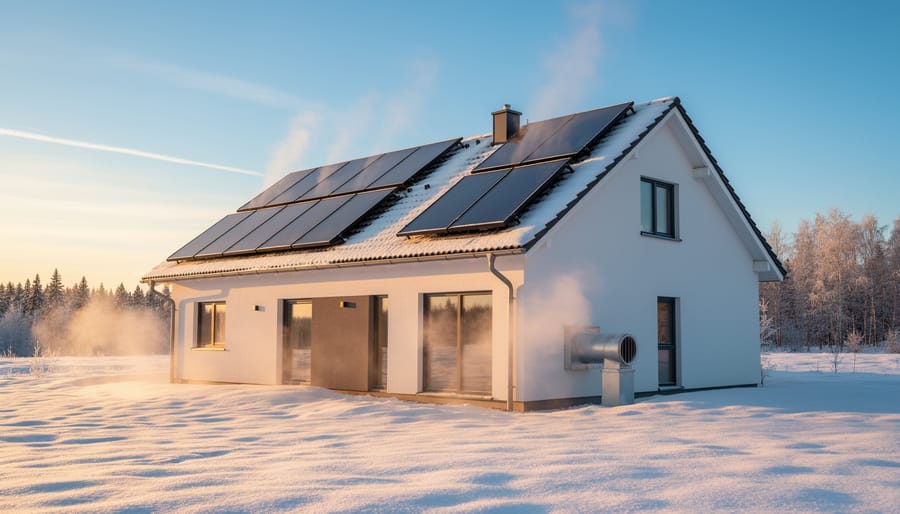
In cold climates, thermal solar still captures usable heat even on frigid winter days. The collectors absorb solar radiation, not outdoor air temperature, so bright winter sunshine produces surprisingly good results. The challenge comes from freeze protection. You’ll need antifreeze solutions in your system loops and extra insulation on outdoor components. Drain-back systems, which empty collectors when the pump stops, prevent freeze damage entirely. Expect lower output during short winter days, but strong performance in shoulder seasons when heating demand remains high.
Hot, sunny climates are thermal solar’s sweet spot. Year-round sunshine means consistent performance and faster payback periods. Your main concern is overheating during peak summer when demand for hot water drops but solar gain stays high. Quality systems include tempering valves and heat dump features to prevent scalding water and component damage. In desert regions, dust accumulation on collectors requires more frequent cleaning to maintain efficiency.
Moderate climates offer the most balanced performance. You’ll see solid year-round output without extreme measures for freeze protection or overheating. However, cloudy coastal areas need larger collector arrays to compensate for diffuse sunlight.
Regardless of location, south-facing roof orientation maximizes collection in the Northern Hemisphere. Adjusting collector tilt angle by ten to fifteen degrees from your latitude optimizes seasonal performance. Trees that cast afternoon shadows can cut output by thirty percent or more, so site assessment matters as much as climate zone.
Installation: What to Expect and Who to Trust
Installing a thermal solar system typically takes two to five days for a standard residential setup, though the timeline from your initial consultation to system activation can stretch several weeks when you factor in permits, inspections, and scheduling.
The actual installation process starts with a site assessment where the contractor evaluates your roof structure, sun exposure, and existing plumbing or heating connections. They’ll determine the optimal collector placement and map out how pipes will run from your roof to your storage tank. Expect some noise and disruption during installation as crews work on your roof and potentially cut into walls to route piping, but a professional team minimizes the mess and cleans up thoroughly each day.
When evaluating contractors, prioritize those with specific thermal solar experience rather than general solar or HVAC installers dabbling in thermal systems. Ask to see photos of completed installations similar to yours, and don’t hesitate to contact past customers about their experience. Red flags include pressure to sign immediately, prices significantly below market rate (suggesting corners will be cut), or vague answers about warranties and maintenance requirements.
A trustworthy installer provides a detailed written proposal breaking down equipment costs, labor, permits, and warranties separately. They explain what happens if your roof needs repairs before installation and whether their quote includes system commissioning and training you to operate controls. They should also discuss the inspection process and what you’ll need to do before your system can legally operate.
The best contractors walk you through realistic performance expectations for your specific location rather than making exaggerated savings claims, and they’re transparent about potential challenges your property might present.
Maintenance That Actually Keeps Your System Running
Most thermal solar systems need surprisingly little maintenance, but the care they do require matters. Regular attention prevents minor issues from becoming expensive repairs and keeps your energy savings on track.
Check your system’s pressure gauge monthly, most residential systems should hold between 12 and 25 PSI when cold. A sudden drop usually means a leak somewhere in your pipes or collectors. You can handle this visual check yourself in about thirty seconds.
Every three months, inspect your collectors from ground level. Look for cracks in the glazing, debris buildup, or anything blocking sunlight. Bird nests and leaf accumulation are common culprits that reduce efficiency by 15-30%. A quick spray with a garden hose removes most surface dirt. Save the ladder work and deep cleaning for your annual professional service.
Your antifreeze fluid needs replacement every three to five years, depending on your system type. This job requires draining the entire system and refilling it properly, definitely call a professional. Degraded antifreeze loses its freeze protection and can corrode your pipes from the inside.
Once yearly, have a qualified technician inspect pumps, valves, sensors, and electrical connections. They’ll test the controller’s programming, verify proper fluid flow, and catch problems you wouldn’t notice until something stops working. This service typically runs $150-250 and extends your system’s lifespan by years.
Strange noises, inconsistent hot water temperatures, or visible leaks demand immediate professional attention. Waiting turns a $200 repair into a $2,000 component replacement. Most installers offer maintenance contracts that bundle these services at a discount.
Is Thermal Solar Right for Your Home?
The decision to install thermal solar depends less on whether the technology works and more on whether it works for you. Start by evaluating your current energy use, specifically how much you spend on water heating. If your household uses minimal hot water or you already have an efficient heat pump water heater, the savings might not justify the investment.
Your roof tells you a lot about feasibility. South-facing exposure with minimal shade works best in the Northern Hemisphere, though southeast or southwest orientations can still perform well. A roof age matters too. If you’ll need replacement within five years, handle that first. Installing thermal solar on an aging roof means paying twice for installation when you eventually reshingle.
Climate plays a supporting role rather than a starring one. Yes, thermal solar performs brilliantly in sunny regions, but modern systems work surprisingly well in cloudier climates. They capture diffuse light on overcast days, though you’ll see lower output. Freezing winters require glycol-based systems with drain-back features, adding complexity and cost. If you live where temperatures regularly drop below freezing for extended periods, factor in these additional components.
- Dramatically reduces water heating costs with typical savings of 50-80% annually
- Simple technology with fewer components than photovoltaic systems means less can break
- Works in various climates including partly cloudy regions
- Eligible for federal tax credits and many state incentives in 2026
- Upfront costs of 4,000-8,000 dollars require several years to recoup through savings
- Only heats water or spaces, doesn’t power electronics or appliances
- Requires adequate south-facing roof space with minimal shading
- Freezing climates need more expensive glycol systems with additional maintenance
Budget considerations extend beyond the sticker price. Calculate your payback period by dividing total system cost by annual savings. A seven-year payback in a home you plan to keep for fifteen years makes financial sense. Planning to move in three years? The numbers probably won’t work in your favor, though the system does add resale value in markets where buyers appreciate energy efficiency.
Thermal solar energy systems offer a proven path to cutting your energy bills while reducing your environmental footprint. Unlike many green technologies that promise more than they deliver, thermal solar has decades of real-world performance backing it up. You’re not betting on future innovations, you’re investing in equipment that works reliably today.
The decision comes down to your specific situation: your climate, roof space, current energy costs, and how long you plan to stay in your home. If those factors align favorably, thermal solar can pay for itself in under a decade while delivering hot water or warmth for 20-plus years beyond that.
Starting doesn’t require a massive leap. Request quotes from three certified installers in your area. Ask about their experience with systems similar to what you need. Compare their proposals not just on price, but on warranty coverage and maintenance support.
Remember, thermal solar isn’t an isolated choice. It fits naturally alongside other sustainable practices, better insulation, efficient appliances, reduced consumption. Each improvement builds on the others, creating a home that costs less to run and treads lighter on the planet. The technology is ready. The question is whether you are.