
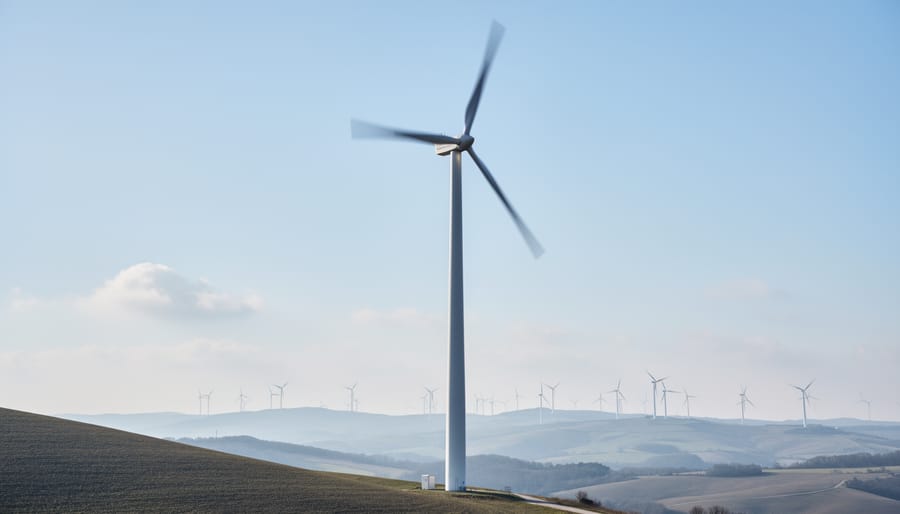
No, modern wind turbines offset their manufacturing emissions within 6 to 12 months of operation, then deliver clean electricity for 20 to 25 years.
Actionable guides and product advice to cut household energy use and costs—covering solar systems, insulation, HVAC, smart controls, and budget-friendly retrofits.
No, modern wind turbines offset their manufacturing emissions within 6 to 12 months of operation, then deliver clean electricity for 20 to 25 years.
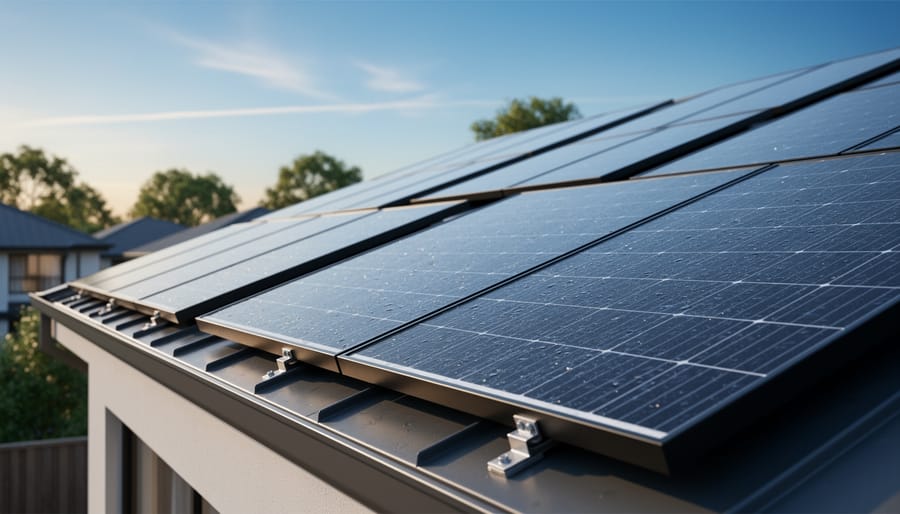
The carbon footprint of solar energy refers to the total greenhouse gas emissions produced throughout a solar panel’s entire lifecycle, from raw material extraction and manufacturing through installation, operation, and eventual disposal. While solar panels generate clean electricity for 25 to 30 years without direct emissions, their production does require energy and materials that create an upfront carbon cost.
Here’s what the numbers tell us: manufacturing a typical residential solar panel system produces roughly 40 to 80 grams of CO2 equivalent per kilowatt-hour over its lifetime. Compare that to coal power at 820 …
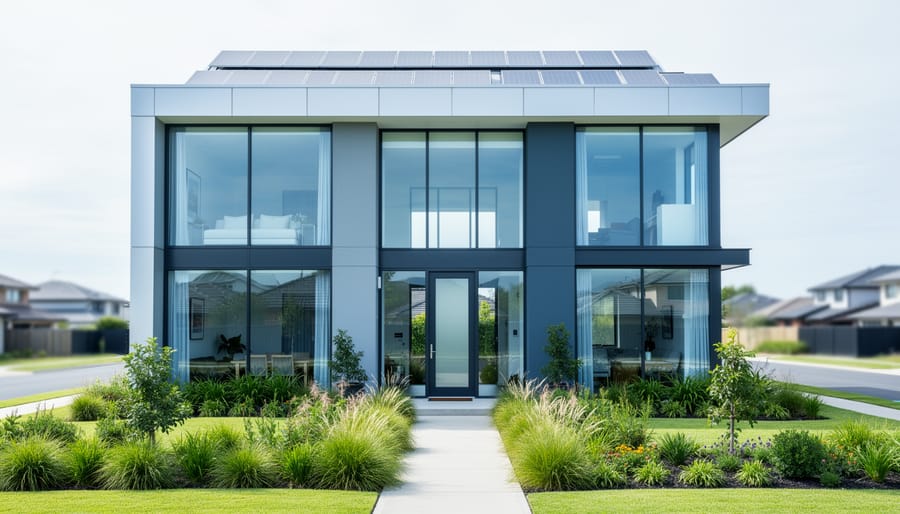
Modern green home design in 2026 typically costs between $150 and $400 per square foot for new construction, compared to $100 to $250 per square foot for conventional builds. That 30 to 50 percent premium reflects investment in energy-efficient systems, sustainable materials, and specialized design expertise. Renovating an existing home with green upgrades runs $25,000 to $150,000 depending on scope, from basic efficiency improvements to comprehensive sustainable retrofits.
The largest cost drivers are solar panel systems (often $15,…
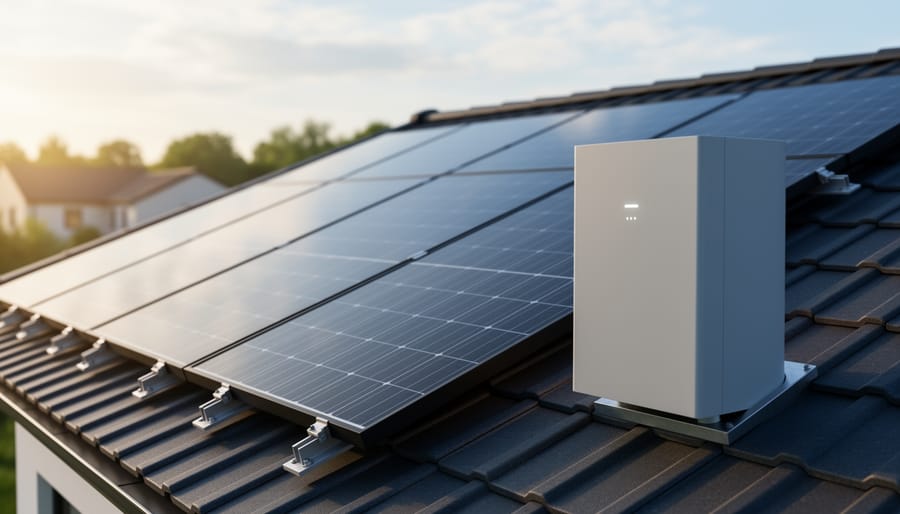
A solar panel system with battery storage combines rooftop or ground-mounted solar panels with rechargeable batteries that store excess electricity generated during the day for use at night, during outages, or when grid demand is highest. This setup transforms a standard solar installation from a daytime-only power source into a flexible, around-the-clock energy system that gives you control over when and how you use the clean electricity your panels produce.
The difference matters more than you might think. Without batteries, …
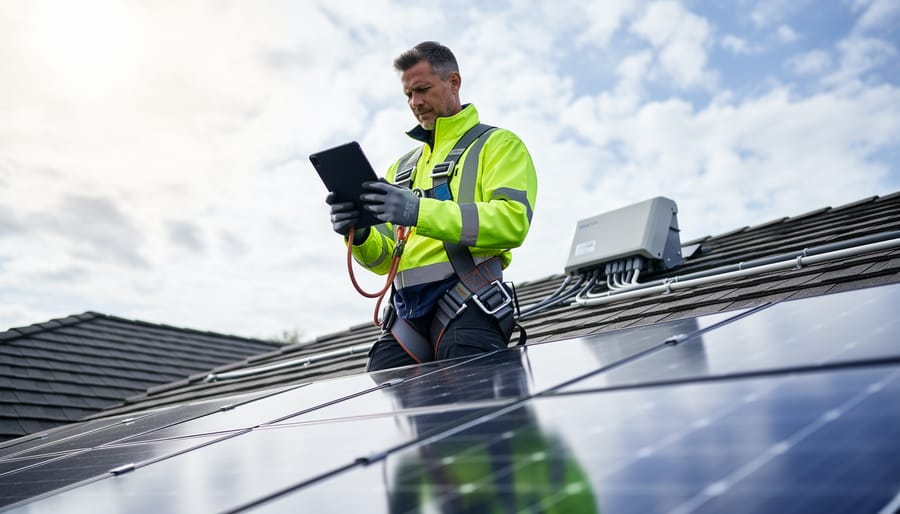
Your solar energy system needs service roughly once every 12 to 18 months to maintain peak efficiency and protect your investment, though the exact frequency depends on your location, system type, and environmental conditions. Regular maintenance keeps panels generating maximum power, extends equipment lifespan by years, and helps you catch small issues before they turn into expensive repairs that could wipe out your lower energy bills.
Most solar system service combines visual inspections, …
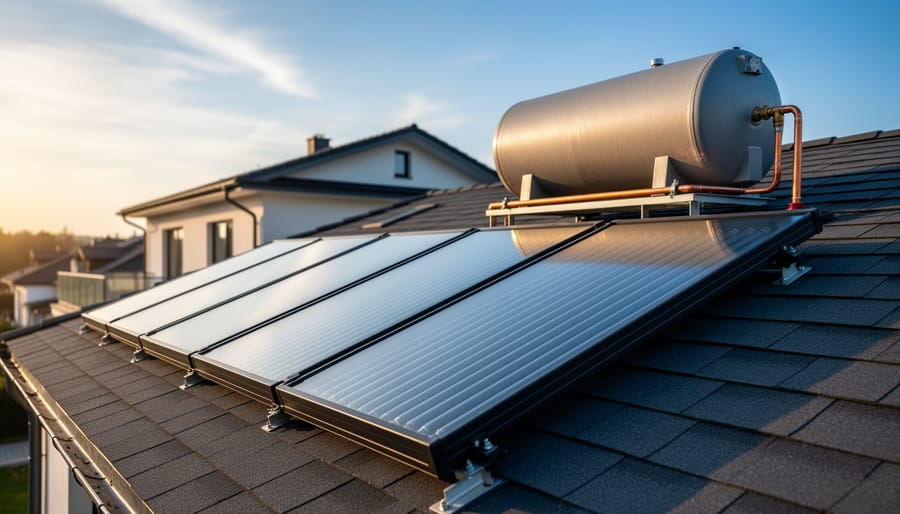
Your energy bill spikes every summer when air conditioning runs full blast, and you’ve probably considered solar panels. But there’s another technology quietly making its way into smart homes across the country: thermal solar energy systems. Unlike the photovoltaic panels most people picture, these systems don’t create electricity. They heat water directly using the sun’s thermal energy, cutting your water heating costs by 50-80% and reducing your carbon footprint with proven technology that&#…