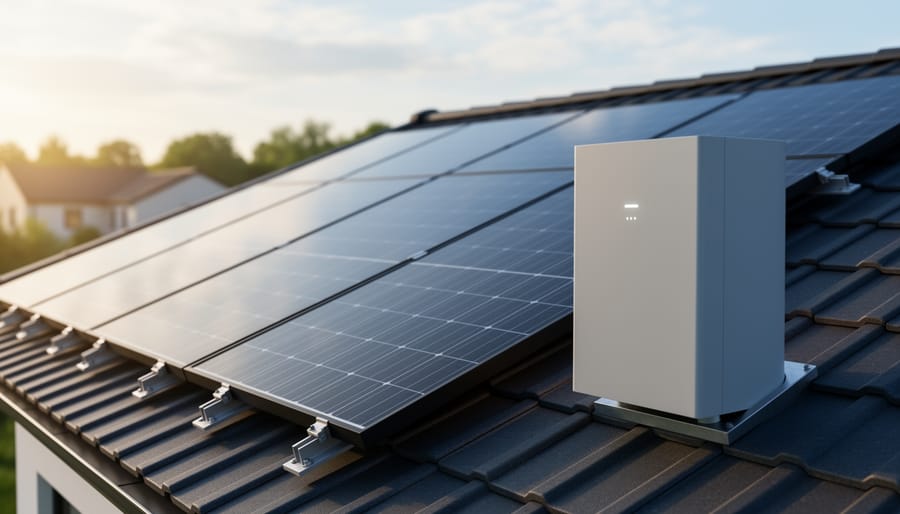
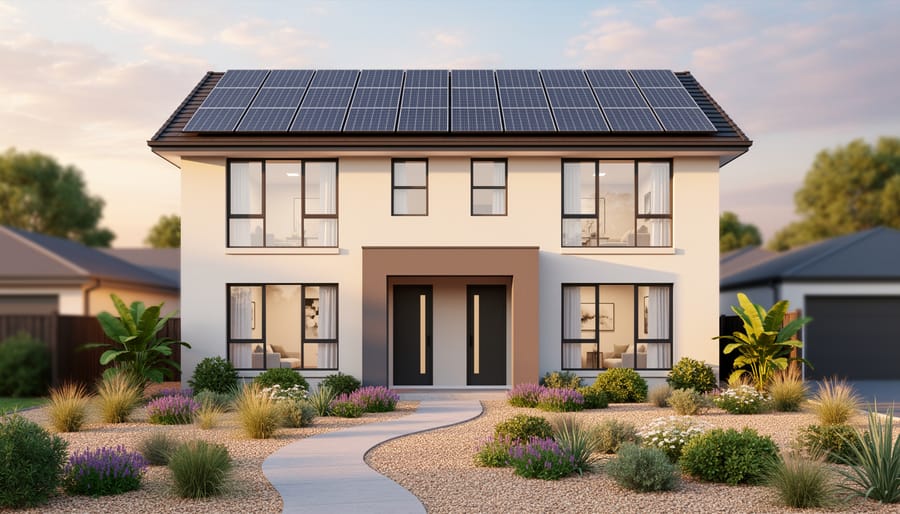
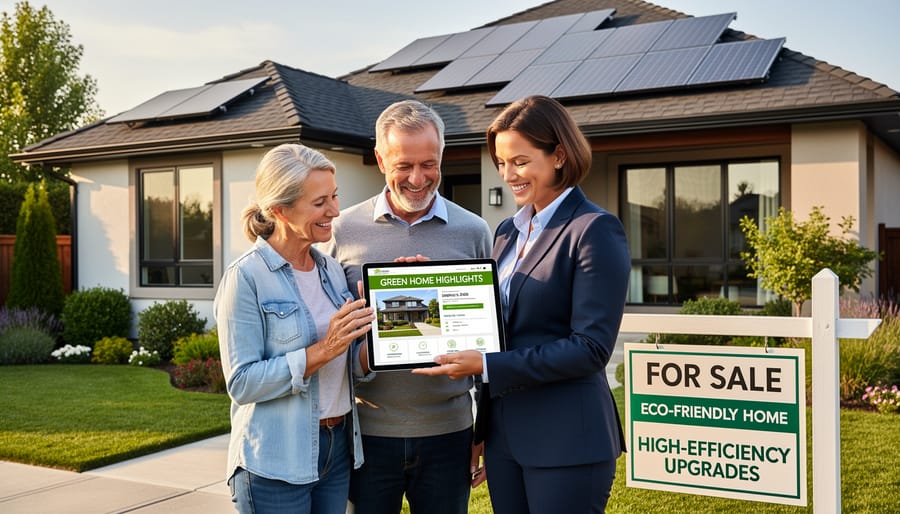
Highlight your home’s existing green features in every listing description and walkthrough—solar panels, energy-efficient windows, smart thermostats, and low-flow fixtures directly translate to lower utility bills for buyers. Buyers increasingly search for properties that reduce monthly expenses while supporting environmental values, making these features genuine selling points worth emphasizing.
Install LED lighting throughout your home before listing, replacing outdated bulbs in every fixture. This simple upgrade costs minimal money upfront but immediately signals to buyers that you’ve maintained the property thoughtfully. The bright, clean light also makes spaces appear larger and more inviting during showings.
Request a home energy audit to identify exactly where your property loses efficiency. This professional assessment provides concrete data you can share with potential buyers, demonstrating transparency and giving them confidence about future energy costs. The report often reveals quick fixes like weatherstripping or insulation improvements that deliver impressive returns on investment.
Stage outdoor spaces with native plants and drought-resistant landscaping that showcases low-maintenance beauty. Buyers appreciate gardens that won’t demand excessive watering, chemical fertilizers, or constant upkeep. Even simple container gardens with herbs and native flowers suggest a lifestyle that’s both environmentally conscious and practically achievable.
Price your home competitively while emphasizing long-term savings from eco-friendly features in your marketing materials. Calculate annual utility savings compared to similar non-green properties and present these figures clearly. Buyers making quick decisions need to immediately understand how sustainable features benefit their wallets, not just the planet.
For additional guidance on selling your property effectively, visit propertysaviour.co.uk.
Why Green Features Actually Matter to Today’s Buyers
The market for eco-friendly homes isn’t just growing—it’s becoming the new normal. Recent surveys show that more than 80% of homebuyers now consider energy efficiency important when house hunting, and many are willing to pay a premium for homes with green features.
What’s driving this shift? It’s a combination of environmental awareness and simple economics. Today’s buyers understand that sustainable homes offer tangible benefits beyond helping the planet. Lower utility bills are often the biggest draw. Homes with energy-efficient windows, proper insulation, and modern HVAC systems can reduce monthly expenses by hundreds of dollars, which translates to significant savings over the years of homeownership.
Real estate experts have noticed another trend: younger buyers, particularly millennials and Gen Z, are making sustainability a non-negotiable factor in their home search. They’re looking for properties that align with their values while also protecting them from rising energy costs and extreme weather events. Features like solar panels, smart thermostats, and climate-resilient features are increasingly seen as smart investments rather than luxury additions.
From a seller’s perspective, this demand creates opportunity. Homes marketed with documented energy efficiency ratings tend to sell faster and often command higher prices. Industry data suggests that certain green upgrades can return 50-100% of their cost at resale, with some features like solar panels even exceeding initial investment in the right markets.
The bottom line is simple: eco-friendly features have moved from nice-to-have to must-have for a growing segment of buyers. Understanding this shift helps you position your home to meet current market expectations while potentially increasing your selling price.
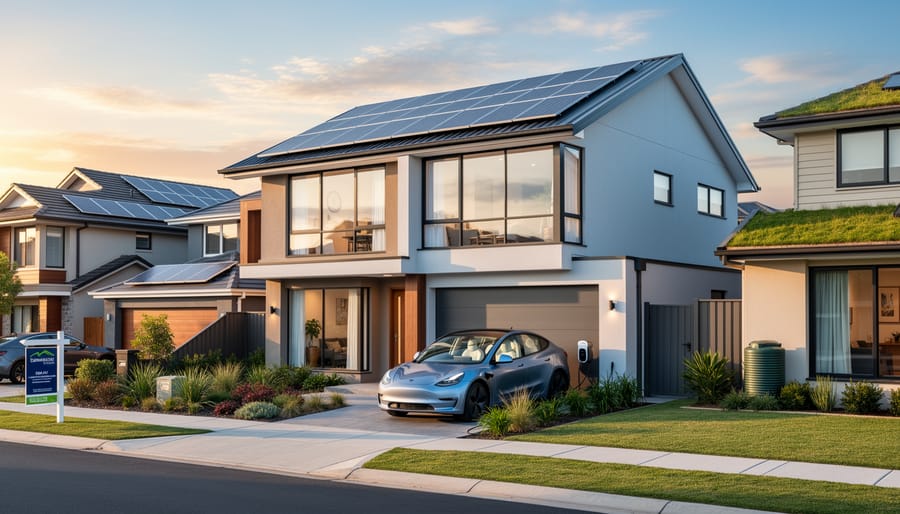
Smart Energy Upgrades That Pay Off Before You List
LED Lighting and Smart Thermostats: Quick Wins
Switching to LED bulbs throughout your home is one of the easiest ways to show eco-conscious buyers you care about efficiency. LEDs use up to 75% less energy than traditional incandescent bulbs and last significantly longer, which translates to real savings. Replace every bulb before listing, focusing especially on high-traffic areas like kitchens, bathrooms, and living rooms where buyers will notice immediately.
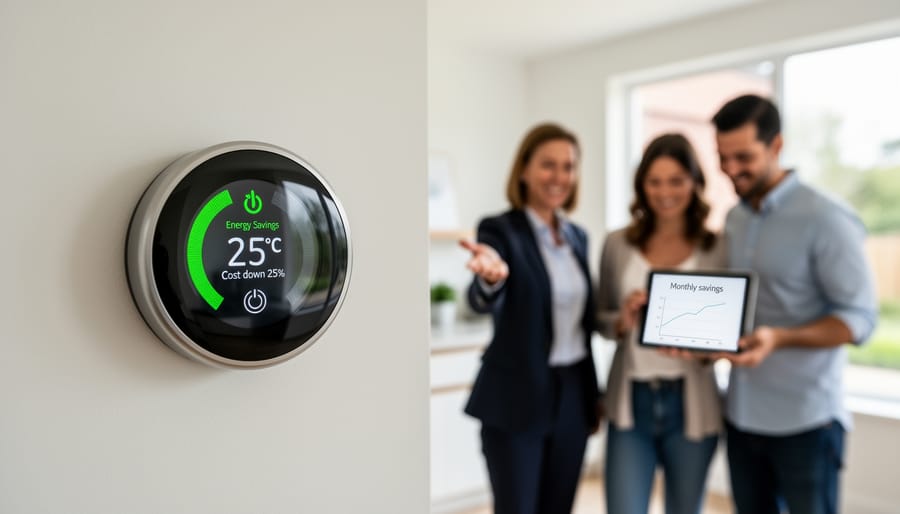
Smart thermostats are another affordable upgrade that makes a strong impression. Models from popular brands typically cost between $100-250 and can be installed in an afternoon, even if you’re not particularly handy. These devices learn heating and cooling patterns, adjust automatically when you’re away, and allow remote control via smartphone. During showings, set your smart thermostat to display energy savings data on its screen, giving potential buyers concrete proof of reduced utility costs.
When showcasing these features, don’t assume buyers will notice on their own. Include a simple fact sheet highlighting your LED lighting coverage and smart thermostat capabilities. Mention estimated monthly energy savings in your listing description. These small investments demonstrate thoughtful homeownership and environmental awareness without breaking your budget, often returning their cost through faster sales and higher offers from green-minded buyers.
Windows and Insulation: The Hidden Sellers
Before investing in major upgrades, start with a simple energy audit to identify where your home loses heat or cool air. Many utility companies offer these assessments for free or at low cost, giving you a clear picture of problem areas. Energy-efficient windows and proper insulation typically rank among the top features buyers notice, especially when paired with efficient heating systems.
The good news? Not every improvement requires a complete overhaul. Smaller investments like weatherstripping, caulking drafty areas, and adding attic insulation deliver noticeable results without breaking the bank. For windows, if replacement isn’t feasible, consider storm windows or thermal curtains as budget-friendly alternatives that still demonstrate your commitment to efficiency.
When deciding what to tackle, focus on visible improvements that buyers can easily understand. Updated windows and fresh insulation in key areas like attics typically recoup 70-80% of costs in resale value while making your home more comfortable during showings. Document your improvements with before-and-after energy bills to show tangible savings, transforming technical upgrades into compelling selling points that resonate with eco-conscious buyers.
Solar Panels: When They’re Worth It (and When They’re Not)
Solar panels can be a fantastic selling point, but their value depends on a few key factors. If you own your system outright, you’re in great shape—buyers typically appreciate the long-term energy savings, especially with rising utility costs. Studies show homes with owned solar panels can sell for 3-4% more than comparable homes without them.
However, leased systems require more careful handling. You’ll need to make the lease transfer process crystal-clear to potential buyers, including remaining payment obligations and contract terms. Some buyers hesitate when faced with taking over a lease, so transparency is essential.
When marketing your solar installation, focus on concrete benefits rather than just environmental appeal. Highlight reduced electricity bills with specific dollar amounts if possible. Mention practical advantages like powering your AC unit during summer months, which resonates with budget-conscious buyers.
If you’re considering installing solar specifically to sell, proceed cautiously. Unless you’ll live in the home long enough to recoup installation costs, the investment may not pay off. For a deeper dive into whether solar makes sense for your situation, check out these solar panel pros and cons.
Showcase Your Home’s Eco-Credentials the Right Way
Gather Your Documentation
Before listing your home, create a comprehensive documentation package that showcases your green investments to potential buyers. Start by gathering at least 12 months of utility bills that demonstrate energy savings compared to similar homes in your area. These tangible numbers speak volumes to buyers concerned about ongoing costs.
Collect all warranties and manuals for eco-friendly appliances, solar panels, water heaters, and HVAC systems. Buyers appreciate knowing these items are covered and understanding how to maintain them properly. If you have any certifications like ENERGY STAR ratings, LEED credentials, or green building certifications, include copies of these official documents.
Maintenance records are particularly valuable for major green systems. Pull together service logs for solar panel cleanings, HVAC tune-ups, and any repairs or upgrades you’ve made. This demonstrates responsible ownership and helps buyers feel confident about the condition of these systems.
Don’t forget documentation for less obvious green features like insulation upgrades, window replacements, or water-efficient landscaping. Even simple receipts showing you’ve invested in eco-friendly improvements add credibility to your home’s green story. Organize everything in a clear folder or digital file that’s easy to share with interested buyers and their agents.
Create a ‘Green Features’ Guide for Buyers
Creating a simple one-page green features guide gives potential buyers an easy reference to understand what makes your home special. Think of it as a cheat sheet that answers their eco-questions before they even ask.
Start with a clear heading like “Eco-Friendly Features of This Home” and organize information into digestible sections. List each green feature with a brief explanation and its practical benefit. For example, instead of just noting “LED lighting throughout,” explain “LED lighting throughout – saves approximately $200 annually on electricity costs and bulbs last 15-25 years.”
Include specific details that matter to buyers: actual utility bill savings, maintenance requirements, and warranties that transfer to new owners. If you have solar panels, note the average monthly energy production and cost savings. For energy-efficient windows, mention reduced heating and cooling costs.
Add a section on environmental impact to appeal to eco-conscious buyers. Simple statements like “This home’s solar array offsets 3 tons of CO2 annually – equivalent to planting 50 trees” make benefits tangible.
Keep the design clean and readable. Use bullet points, leave white space, and consider adding small icons next to each feature category. Place copies near your property disclosure documents so buyers can review them during showings, and your agent can easily share digital versions with interested parties.
Photography That Highlights Sustainability
Great photography makes your green features shine and helps buyers instantly see the value you’ve built into your home. Start by capturing solar panels from angles that show their scale—a shot from the curb gives context, while close-ups highlight their sleek appearance. For energy-efficient windows, photograph them during golden hour when natural light streams through, demonstrating how they brighten your space while reducing energy costs.
Gardens and native landscaping deserve attention too. Shoot vegetable beds, rain gardens, or drought-resistant plants at eye level to create inviting, detailed images. Don’t forget the practical details: photograph your programmable thermostat, LED fixtures, or water-saving faucets with good lighting and clean backgrounds.
Consider adding small labels or captions in your listing that explain what buyers are seeing—”new triple-pane windows” or “solar panels offset 80% of electric costs.” These visual cues help environmentally-minded buyers quickly identify the sustainable features they’re looking for, while the financial benefits appeal to budget-conscious shoppers. Quality photos of your eco-upgrades aren’t just pretty pictures—they’re proof that your home delivers real, measurable value.
Low-Cost Eco-Friendly Staging Strategies
Natural Cleaning Products and Air Quality
Before each showing, clean your home with natural products that won’t leave behind harsh chemical odors or irritate sensitive buyers. Simple solutions like vinegar and water work beautifully for windows and countertops, while baking soda tackles tough stains and odors naturally. You can also find excellent eco-friendly cleaning brands at most stores that are both effective and better for indoor air quality.
Speaking of air quality, this is huge for potential buyers. Open windows for at least 30 minutes before showings to freshen the space with natural ventilation. Consider adding indoor plants like spider plants or peace lilies, which naturally filter air while adding visual appeal. Skip artificial air fresheners and scented candles, as many buyers are sensitive to synthetic fragrances. Instead, simmer citrus peels and cinnamon on the stove for a welcoming, natural scent that feels homey rather than manufactured. These small touches demonstrate your commitment to healthy living while creating an inviting atmosphere buyers will remember.
Sustainable Materials in Decor
When staging your home for eco-conscious buyers, thoughtful touches using sustainable materials can make a powerful impression without breaking the bank. Start by incorporating natural elements like bamboo organizers, jute rugs, or reclaimed wood accents that showcase your commitment to earth-friendly choices. These materials add warmth and texture while signaling environmental awareness.
Consider shopping second-hand stores or estate sales for unique decorative pieces. Vintage items not only reduce waste but also add character that new buyers find appealing. A well-placed antique mirror or refurbished side table tells a story of conscious consumption.
Don’t underestimate the impact of living plants. They purify indoor air, add visual interest, and demonstrate active care for healthier living spaces. Snake plants, pothos, and spider plants are low-maintenance options that thrive indoors and require minimal attention during showings.
Keep arrangements simple and uncluttered. The goal is to highlight your home’s eco-friendly features, not overwhelm potential buyers. A few strategic pieces showing your sustainable lifestyle can spark conversations and help buyers envision themselves making similar choices in their new home.
Water-Saving Features Buyers Notice
Water efficiency resonates strongly with today’s buyers, especially in regions facing drought concerns or rising utility costs. Start with the simplest upgrades: install low-flow showerheads, faucet aerators, and dual-flush toilets. These fixtures typically cost under $100 total but can reduce water usage by 30-50%, making them highly attractive selling points.
Your outdoor space offers even more impressive opportunities. Replace thirsty grass with native, drought-resistant plants that require minimal watering once established. If you’ve invested in a rain barrel system or greywater collection, highlight these features prominently during showings. Create a simple fact sheet showing potential water savings in gallons and dollars annually—buyers appreciate seeing concrete numbers. Even small changes like adding mulch to retain soil moisture demonstrate your commitment to conservation while reducing maintenance needs for future homeowners.
Working With Realtors Who Understand Green Value
Finding the right realtor can make all the difference when selling an eco-friendly home. Not all agents understand how to position green features as valuable selling points, so partnering with someone who truly gets it will help you attract the right buyers and potentially secure a better price.
Start by asking potential agents about their experience marketing sustainable homes. Have they sold properties with solar panels, energy-efficient systems, or green certifications? Request examples of how they’ve highlighted these features in past listings. An agent familiar with green value won’t just mention your new windows—they’ll emphasize the energy savings and comfort improvements those windows provide.
During interviews, pay attention to how enthusiastic they are about your home’s eco-friendly elements. The ideal agent should ask questions about your green features and seem genuinely interested in learning about their benefits. Ask them directly: “How would you market my solar system to potential buyers?” or “What buyers in this area are specifically looking for energy-efficient homes?”
Make sure your agent understands the financial benefits buyers care about, like lower utility bills, available tax credits, and reduced maintenance costs. They should be comfortable discussing these advantages with prospective buyers and their agents.
When reviewing your listing draft, check that green features appear prominently in the description, not buried at the end. Photos should showcase elements like your solar panels, smart thermostat, or energy-efficient appliances. Your agent should also promote any certifications your home has earned, such as LEED or Energy Star ratings.
Consider seeking agents who hold green designations like the National Association of Realtors’ Green Designation or similar credentials. These professionals have specialized training in marketing sustainable properties and understand the growing market of environmentally-conscious buyers who’ll appreciate what your home offers.
Common Mistakes That Undermine Your Green Appeal
Even the most well-intentioned sellers can accidentally diminish their green appeal. One common mistake is overselling minor improvements. Claiming your home is “eco-friendly” because you switched to LED bulbs might backfire with knowledgeable buyers. Instead, be honest about what you’ve done and frame it as part of a broader commitment to sustainability. Share all your green features, both big and small, without exaggerating their impact.
Another pitfall is failing to document your energy savings. You might know your solar panels cut electricity costs by half, but without utility bills or energy reports to prove it, buyers remain skeptical. Gather at least a year’s worth of documentation showing before-and-after comparisons or month-to-month savings. This transforms vague claims into concrete evidence that resonates with budget-conscious buyers.
Many sellers also invest in expensive last-minute upgrades without researching what buyers actually want. Installing a geothermal system right before listing rarely delivers a strong return on investment. The solution? Focus on cost-effective improvements that offer immediate visual impact and proven appeal, like upgrading insulation or installing a smart thermostat. Save major renovations for long-term homeownership.
Finally, don’t neglect curb appeal while focusing solely on interior features. An overgrown yard or outdated exterior undermines your sustainability message. Simple fixes like native plantings, a rain barrel, or fresh mulch create that crucial positive first impression. Remember, buyers need to fall in love with your home before they appreciate its efficient HVAC system.
Selling your home with an eco-friendly approach isn’t just good for the planet—it’s a smart strategy that connects you with motivated buyers who value sustainability and are often willing to pay more for homes that reflect their environmental priorities. The beauty of this approach is that you don’t need to overhaul your entire property to make a difference. Start small and focus on authentic improvements that genuinely reduce your home’s environmental footprint.
Remember, today’s buyers are savvy and can spot superficial greenwashing from a mile away. Instead, choose a few meaningful upgrades that work within your budget and timeline. Whether it’s switching to LED lighting, highlighting your home’s energy-efficient features, or simply being transparent about your property’s sustainability characteristics, these honest efforts will resonate far more than empty claims.
The shift toward sustainable living is happening now, and your home sale can be part of this meaningful transition. By taking even modest steps to present your property as environmentally responsible, you’re not just increasing its market appeal—you’re contributing to a larger movement that values resource conservation and thoughtful living. Every energy-efficient appliance showcased, every water-saving fixture highlighted, and every sustainable material documented sends a message that eco-conscious choices matter.
Your home sale is an opportunity to align your values with your actions while attracting buyers who share your commitment to a healthier planet. Take that first step today, and watch how your authentic sustainability efforts create connections with the right buyers.