

Renewable energy does carry environmental impacts, including habitat disruption during construction, mining for materials like lithium and cobalt, and end-of-life waste from solar panels and turbines. But the honest answer to whether renewables are bad for the environment is clear: their lifecycle carbon footprint is dramatically lower than fossil fuels, typically by 95% or more, and their localized impacts are manageable with proper planning.
You’ve probably seen headlines warning about toxic mining operations for battery materials or vast wind farms harming bird populations. These concerns aren’t imaginary. Solar panel manufacturing requires energy, wind turbines alter local ecosystems, and hydroelectric dams can devastate river habitats. The question isn’t whether renewable technologies have environmental costs, but whether those costs outweigh the catastrophic damage of continuing fossil fuel dependence.
The lifecycle carbon footprint measures every emission from raw material extraction through manufacturing, transportation, operation, and eventual disposal. When you run this calculation for solar panels, they produce emissions equivalent to just three to twelve months of the electricity they’ll generate over a 25-year lifespan. Coal plants, by contrast, emit carbon with every kilowatt-hour produced. Natural gas is better than coal, but still produces roughly 20 times more lifecycle emissions than wind or solar per unit of electricity.
This article breaks down what renewable energy’s carbon footprint actually means, how different technologies compare from cradle to grave, and where the legitimate environmental concerns lie. You’ll understand the full picture without greenwashing or fossil fuel industry scare tactics, just the straight facts about what renewable energy costs our planet and why it remains our best path forward.
What Carbon Footprint of Renewable Energy Actually Means
When you hear “carbon footprint,” it’s easy to picture smokestacks or exhaust pipes. But with renewable energy, the reality is more nuanced. Carbon footprint measures every greenhouse gas emission a technology creates throughout its entire existence, from the moment workers start mining materials to the day a solar panel or wind turbine gets decommissioned and (hopefully) recycled.
This full-lifecycle view captures emissions that happen before renewable energy generates even a single watt of clean electricity. Manufacturing solar panels requires energy-intensive processes like purifying silicon at extremely high temperatures. Wind turbines need tons of steel and concrete. Batteries involve mining lithium, cobalt, and other minerals, then processing them into usable components. All of these steps create carbon emissions, even though the finished product will later produce electricity without burning anything.
Understanding a few key terms helps clarify what we’re actually measuring:
- Lifecycle emissions
- The total greenhouse gases released across every stage of a technology’s life, from raw material extraction through manufacturing, use, and disposal.
- Embodied carbon
- The emissions “locked into” a product during its manufacturing phase, essentially the carbon debt it carries before it ever starts working.
- Operational emissions
- Greenhouse gases released during normal use, which for wind and solar is effectively zero once installed.
- Carbon payback period
- The time it takes for clean energy production to offset the initial manufacturing emissions, after which the technology provides net carbon savings.
The distinction between embodied and operational emissions is crucial here. Fossil fuel plants have both, they burn fuel continuously, producing emissions every single day they operate. Renewable energy front-loads its environmental cost during manufacturing, then runs clean for decades. This difference fundamentally changes how we should evaluate their environmental impact, because operational emissions compound year after year while embodied carbon is a one-time cost that gets paid back over time.
How Renewable Energy’s Carbon Footprint Works Throughout Its Lifecycle
The Manufacturing Phase: Where Most Emissions Happen
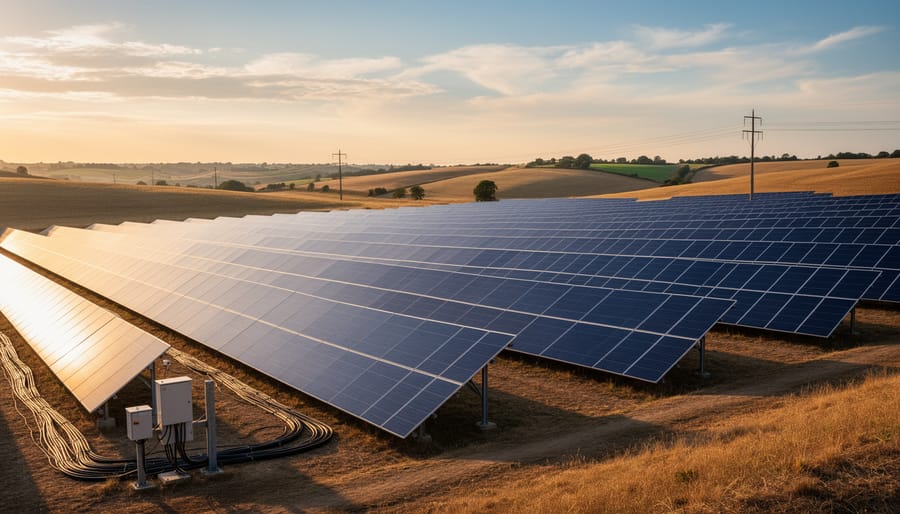
Most renewable energy technologies rack up the bulk of their lifetime carbon emissions before they generate a single watt of electricity. The manufacturing phase is where the environmental cost concentrates.
Solar panel production starts with extracting quartz and processing it into polysilicon, a process requiring temperatures above 1,400°C, typically powered by coal in major manufacturing regions like China. Purifying silicon to photovoltaic grade consumes roughly 45-50 kilowatt-hours per kilogram, releasing significant CO2. Beyond silicon, panels need aluminum frames, glass, and small amounts of silver for electrical contacts. Each material demands energy-intensive extraction and processing.
Wind turbines present different challenges. A single 3-megawatt turbine contains about 335 tons of steel for its tower, 4.7 tons of copper for wiring, and composite materials made from petroleum-based resins for massive blades. The concrete foundation alone can require 1,000 cubic meters of material. Manufacturing these components, then transporting 60-meter blades across continents, burns substantial fossil fuel.
Battery production for energy storage adds another carbon layer. Lithium extraction uses massive quantities of water in drought-prone regions. Processing lithium, cobalt, and nickel into battery-grade materials requires chemical refineries running around the clock. A single Tesla Powerwall-sized battery carries roughly 2-4 tons of CO2 embedded in its manufacturing.
The scale explains why this phase dominates the lifecycle footprint, you’re essentially pre-paying your carbon debt before the technology starts offsetting it through clean generation.
Operation and Carbon Payback: When Clean Energy Pays Off
Once a renewable energy system starts generating electricity, it produces virtually zero emissions. This operational phase is when the environmental math flips decisively in renewables’ favor. The carbon payback period, the time it takes for a system to generate enough clean energy to offset its manufacturing emissions, is surprisingly short.
Solar panels typically achieve carbon payback within one to four years, depending on location and sunlight availability. A rooftop system in Arizona pays back its carbon debt faster than one in Seattle, simply because it generates more electricity. Wind turbines perform even better, with energy payback times typically ranging from six months to two years. Considering these systems operate for 25-30 years, they spend the vast majority of their lifespan delivering genuinely clean power.
The payback calculation is straightforward: divide the total carbon emissions from manufacturing by the annual emissions avoided compared to grid electricity. A 5-kilowatt solar array that offsets roughly three tons of carbon dioxide annually will recover its manufacturing footprint of about 10 tons within three to four years. After that, every kilowatt-hour it produces represents pure climate benefit.
This rapid payback explains why lifecycle analyses consistently show renewable energy as dramatically cleaner than fossil fuels. The manufacturing emissions aren’t negligible, but they’re front-loaded and quickly offset by decades of zero-emission operation.
Different Types of Renewable Energy and Their Carbon Footprints
Solar Energy: Silicon and Rare Earth Considerations
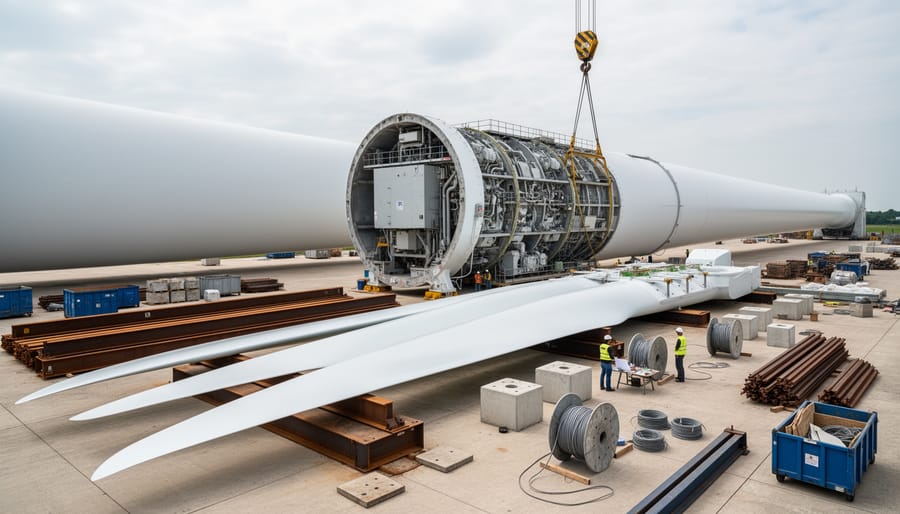
Solar panel manufacturing accounts for roughly 70% of the technology’s total lifecycle carbon footprint, with silicon purification being the primary culprit. Creating ultra-pure silicon requires heating raw quartz to over 1,800°C in electric arc furnaces, an extremely energy-intensive process. If those furnaces run on coal power (as many still do in certain manufacturing regions), the carbon emissions multiply significantly.
The “rare earth” concern, however, is somewhat overstated. Standard silicon photovoltaic panels don’t actually require rare earth elements. Some specialized thin-film panels use materials like indium and tellurium, but these make up a small fraction of the global solar market. The real manufacturing challenge centers on energy consumption and the geographic concentration of production.
Recent improvements are changing this equation. Modern solar factories have cut manufacturing energy use by 30-40% over the past decade through process optimization and recycling silicon scraps. More importantly, production is increasingly shifting toward regions with cleaner electricity grids, directly reducing the carbon intensity of new panels. Newer modules also achieve higher efficiency rates, meaning each panel produces more clean electricity over its lifetime to offset that upfront carbon cost faster.
Wind Power: Materials and Land Use
Wind turbines demand substantial quantities of steel, concrete, and fiberglass, materials that carry significant upfront carbon costs. A single modern 3-megawatt turbine requires roughly 200 tons of steel for the tower and nacelle, plus another 400-500 cubic meters of concrete for the foundation. Steel production remains energy-intensive, and concrete manufacturing releases considerable CO₂ during the chemical process of converting limestone to cement.
The sheer size of turbine components creates additional emissions during transportation. Blades now stretch beyond 60 meters, requiring specialized trucks and sometimes road modifications to navigate turns and bridges. Delivering tower sections, nacelles, and blades to remote wind farm sites, often in mountainous or offshore locations, adds fuel consumption and logistical complexity.
Land use presents another consideration, though the actual turbine footprint is relatively small. While a wind farm might span hundreds of acres, the turbines themselves occupy only 1-3% of that land, leaving the rest available for agriculture or grazing. The more substantial impact comes from access roads and transmission infrastructure needed to connect farms to the grid. Despite these material and land demands, wind power’s lifecycle emissions remain roughly 11 grams of CO₂ per kilowatt-hour, far below any fossil fuel alternative.
Hydroelectric and Other Technologies
Hydroelectric power typically produces 6-10 grams of CO₂ per kilowatt-hour over its lifecycle, making it one of the lowest-carbon energy sources. However, reservoir creation can release substantial methane from decomposing vegetation, especially in tropical regions, and large dams permanently alter river ecosystems. Run-of-river installations avoid these issues but generate less power.
Geothermal energy emits roughly 15-20 grams per kilowatt-hour, predominantly from trace gases released during drilling and operation rather than manufacturing. The carbon payback happens within months, but some installations can deplete underground heat reservoirs if extraction exceeds natural replenishment rates.
Biomass presents the most complex trade-offs. While burning wood or agricultural waste is theoretically carbon-neutral (plants reabsorb CO₂ as they regrow), lifecycle emissions range from 18 to over 200 grams per kilowatt-hour depending on feedstock type, transportation distances, and whether forests are cleared specifically for fuel. Sustainable biomass from waste products performs far better than purpose-grown energy crops.
These alternatives complement thermal solar systems and wind in creating diversified renewable portfolios, each suited to different geographical conditions and grid needs.
How Renewable Energy Is Used to Actually Reduce Carbon Emissions
Understanding where renewable energy gets used helps clarify why its lifecycle carbon footprint matters less than fossil fuels’. The emissions from manufacturing solar panels or wind turbines are paid back through years of clean electricity generation that displaces carbon-intensive alternatives.
On the electricity grid, renewables directly replace coal and natural gas power plants. Every kilowatt-hour from wind or solar avoids burning fossil fuels that would have emitted roughly 0.9 pounds of CO₂ for natural gas or 2 pounds for coal. Over a typical 25-year lifespan, a residential solar installation offsets about 100 tons of carbon dioxide, far exceeding the 2-4 tons emitted during its manufacture and installation.
Home energy systems paired with battery storage reduce reliance on grid power that often comes from fossil sources, especially during evening peak hours when natural gas plants typically ramp up. The carbon payback period for residential solar averages 2-3 years, meaning the system spends 22+ years delivering net carbon reductions.
Renewable energy delivers the strongest carbon reduction benefits in these applications:
- Grid-scale wind and solar farms that displace coal and gas baseload generation
- Electric vehicle charging powered by renewables instead of fossil-fuel electricity
- Industrial heating and processing that switches from natural gas to renewable electricity
- Data centers and large facilities that sign power purchase agreements for dedicated renewable supply
- Remote installations replacing diesel generators in off-grid locations
Transportation electrification multiplies renewables’ climate benefit. An electric vehicle charged with solar power produces about one-tenth the lifecycle emissions of a gasoline car, even accounting for battery manufacturing. The heavier the prior fossil fuel use, the greater the carbon savings from switching to renewables.
Context matters because comparisons must be fair. Renewable energy’s manufacturing footprint looks significant in isolation but shrinks dramatically when measured against decades of avoided fossil fuel combustion. That’s where the real environmental win happens.

The Real Environmental Concerns Beyond Carbon
Carbon emissions tell only part of the environmental story. Renewable energy production involves real ecological trade-offs that deserve honest examination, even if they pale beside the damage from fossil fuels.
Mining for renewable energy components extracts significant environmental costs upfront. Solar panels require silicon, silver, and specialized semiconductors. Wind turbines need rare earth elements like neodymium and dysprosium, typically mined in regions with lax environmental protections. Lithium for batteries comes from operations that can drain aquifers in water-stressed areas like Chile’s Atacama Desert. These extraction processes disturb ecosystems, contaminate groundwater, and leave behind tailings that persist for generations.
Land use presents another consideration. Utility-scale solar farms require substantial ground area, potentially displacing agriculture or natural habitat. Wind farms occupy less actual footprint but create zones where turbine placement affects wildlife corridors and bird migration routes. Hydroelectric dams flood entire valleys, permanently altering river ecosystems and displacing communities.
Water consumption varies widely across technologies. Manufacturing solar panels requires water for silicon purification and panel cleaning. Some concentrated solar plants use water for cooling, though newer designs minimize this. Geothermal operations can deplete underground reservoirs if not carefully managed.
Waste and end-of-life recycling remain works in progress. Solar panels last 25-30 years, creating a looming disposal challenge as first-generation installations reach retirement. Turbine blades, made from composite materials, resist easy recycling. Lithium-ion batteries contain materials worth recovering but require specialized processing infrastructure that’s still developing.
These concerns aren’t reasons to reject renewables. They’re reasons to push for better mining standards, recycling infrastructure, and installation planning. Every energy source has environmental costs. The question isn’t whether renewables are perfect, but whether they’re vastly better than the alternative burning finite resources that poison air, water, and climate simultaneously. They are.
Putting the Numbers in Perspective: Renewables vs. Fossil Fuels
Here’s the raw numbers that cut through the noise: renewable energy systems produce between 4 and 48 grams of CO2-equivalent per kilowatt-hour across their entire lifecycle. Coal plants? They emit 820 to 1,050 grams per kilowatt-hour. Natural gas clocks in at 490 grams. That’s a 90-98% reduction, even when you count every mining truck, factory furnace, and transportation mile involved in building renewable infrastructure.
To put that in concrete terms, a solar panel typically offsets its manufacturing emissions within one to four years of operation, then continues producing clean electricity for 25-30 more years. Wind turbines pay back their carbon debt even faster, usually within six to twelve months. The math isn’t close.
Consider what happens when you integrate renewables into green home design. A household that switches to solar doesn’t just reduce emissions by a few percentage points; they eliminate roughly 80% of their electricity-related carbon footprint immediately, and that advantage compounds every year the system operates. The manufacturing impact becomes a rounding error compared to decades of avoided fossil fuel combustion.
Yes, mining lithium and rare earths creates environmental disruption. Manufacturing solar panels requires energy-intensive processes. But these concerns exist within a crucial context: fossil fuel extraction destroys landscapes through mountaintop removal and offshore drilling, leaks methane continuously, and burns materials that can never be recovered. Renewable infrastructure, by contrast, captures energy that’s naturally replenished.
When people worry about solar energy bills or upfront environmental costs, the lifecycle data provides clarity. The initial carbon investment pays massive environmental dividends.
What You Can Do to Minimize the Environmental Impact
When you’re ready to invest in renewable energy, you can make choices that further reduce environmental impact. Start by researching manufacturers’ sustainability practices, companies that use recycled materials, renewable energy in their factories, and transparent supply chains produce panels and turbines with lower embodied carbon. Ask installers about equipment sourcing and look for certifications like Cradle to Cradle or solar panels with Environmental Product Declarations that quantify lifecycle emissions.
Consider these practical steps when planning renewable installations:
- Choose local or regional manufacturers when possible to reduce transportation emissions
- Select equipment with established recycling programs and take-back guarantees
- Prioritize energy efficiency improvements before sizing your system, which reduces materials needed
- Schedule professional service to maximize lifespan and avoid premature replacement
- Research installer credentials to ensure proper system design and avoid wasteful oversizing
Planning for end-of-life matters too. When you purchase solar panels or batteries, ask about the manufacturer’s recycling program and whether they’ll take back equipment when it reaches end of life in 25-30 years. Some states now require solar recycling infrastructure, but taking personal responsibility accelerates industry-wide improvements.
Beyond your own installations, you can amplify impact through advocacy. Support policies that require renewable energy manufacturers to use clean electricity, establish recycling standards, and incentivize sustainable mining practices. Contact your utility to request renewables sourced from manufacturers with strong environmental commitments. Your purchasing decisions and voice as a constituent push the entire industry toward cleaner production methods, multiplying the climate benefit of every renewable installation.
Common Questions About Renewable Energy’s Environmental Impact
Do solar panels create more pollution to manufacture than they prevent?
No. Solar panels typically pay back their manufacturing emissions within 1-3 years of operation, then generate clean electricity for 25-30 more years. Over their lifetime, they prevent 20-40 times more carbon than they produce.
What happens to old solar panels and wind turbines when they wear out?
Recycling infrastructure is still developing, but 85-95% of solar panel materials can be recovered and reused. Wind turbine blades remain challenging to recycle, though new designs use recyclable composites and some companies are repurposing blades into park benches, playgrounds, and building materials.
Are renewable energy carbon footprints improving over time?
Yes, significantly. Manufacturing efficiency has improved dramatically in the past decade, with solar panel production emissions dropping by about 60% since 2010. As grids use more renewable electricity to manufacture renewable components, the carbon footprint continues to shrink, a positive feedback loop.
Is renewable energy worth it environmentally despite the upfront emissions?
Absolutely. Even accounting for every stage of production, renewables emit 90-98% less carbon than fossil fuels over their lifetime. The manufacturing footprint is real but relatively small compared to the decades of clean operation that follow, and far better than continuing to burn coal or gas.
These questions reflect genuine concerns about whether we’re simply shifting environmental problems around rather than solving them. The honest answer is that renewable energy manufacturing does require resources and creates emissions, but framing this as equivalent to fossil fuel pollution misses the scale difference. A coal plant emits carbon every single day it operates. A solar array emits carbon during construction, then generates clean power for three decades.
The recycling challenge deserves attention and improvement. Right now, many solar panels and turbine components end up in landfills at end-of-life, which isn’t acceptable long-term. But companies and researchers are developing better recycling methods, and several countries now require manufacturers to plan for panel recovery. This is a solvable problem, not a fundamental flaw in renewable technology.
So, is renewable energy bad for the environment? The honest answer is nuanced but ultimately clear: yes, renewables have environmental costs, especially during manufacturing, but these impacts are dramatically smaller than the fossil fuel alternatives they replace. We’re talking about 90-98% fewer lifecycle emissions, typically paid back within one to four years of clean operation.
The question itself matters because it pushes us beyond simplistic “green good, fossil bad” thinking. Understanding that solar panels require mining, wind turbines need steel and concrete, and batteries pose recycling challenges helps us make smarter decisions. It prevents greenwashing and keeps pressure on manufacturers to improve.
Here’s what’s empowering: you don’t have to choose between perfect and nothing. Renewable energy is vastly better for climate stability, air quality, and long-term environmental health. Supporting it doesn’t mean ignoring its flaws, it means demanding continuous improvement in sustainable mining, circular manufacturing, and end-of-life recycling.
The path forward combines urgency with accountability. Choose renewable installations when you can. Ask questions about supply chain practices. Support policies that fund recycling infrastructure and cleaner manufacturing. The environmental costs of renewables are real, manageable, and nowhere near the catastrophic impacts of continued fossil fuel dependence.
You’re equipped now to make informed choices that acknowledge complexity while recognizing what the numbers clearly show: renewable energy works.