Your solar energy system needs service roughly once every 12 to 18 months to maintain peak efficiency and protect your investment, though the exact frequency depends on your location, system type, and environmental conditions. Regular maintenance keeps panels generating maximum power, extends equipment lifespan by years, and helps you catch small issues before they turn into expensive repairs that could wipe out your lower energy bills.
Most solar system service combines visual inspections, performance monitoring, cleaning, and electrical checks. Dust, pollen, bird droppings, and weather debris reduce panel output by 15% to 25% annually in typical conditions, while connection points can corrode and inverters need monitoring to verify they’re converting DC to AC efficiently. The good news? You can handle some of these tasks yourself with basic tools and safety precautions, saving money while staying connected to how your system performs.
Professional service becomes essential for tasks involving electrical components, roof access in challenging conditions, and warranty compliance that many manufacturers require. Finding a qualified service provider matters because poor maintenance causes more problems than it solves, and the solar service market has its share of both excellent technicians and underqualified companies.
This guide walks you through exactly what solar system service includes, when you truly need professional help versus what you can manage yourself, and how to identify service providers who will treat your system right. Whether you already own solar panels or you’re weighing the ongoing costs before buying, understanding maintenance requirements helps you budget realistically and keep your system running strong for its 25-year-plus lifespan.
What Solar Energy System Service Actually Involves
When a professional technician services your solar energy system, they’re doing much more than hosing down your panels and calling it a day. A comprehensive service visit involves systematic checks of every component that keeps your system running efficiently and safely.
The inspection starts with a thorough visual assessment of your panels for cracks, hot spots, discoloration, or physical damage from weather or debris. Technicians examine mounting hardware for corrosion or loosening, which can affect both panel stability and electrical connections. This visual check extends to wiring, conduits, and junction boxes, looking for signs of wear, pest damage, or water intrusion that could compromise system safety.
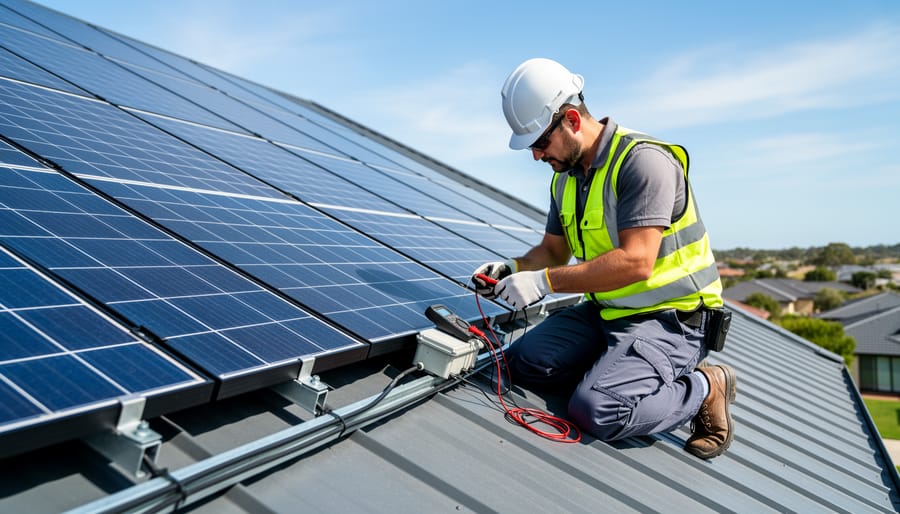
Electrical testing forms the core of professional service. Technicians measure voltage and current at multiple points in your system, comparing actual output to expected performance based on weather conditions and time of day. They test string voltages, check for ground faults, and verify that all connections maintain proper electrical continuity. This testing catches issues invisible to the homeowner but critical to system performance.
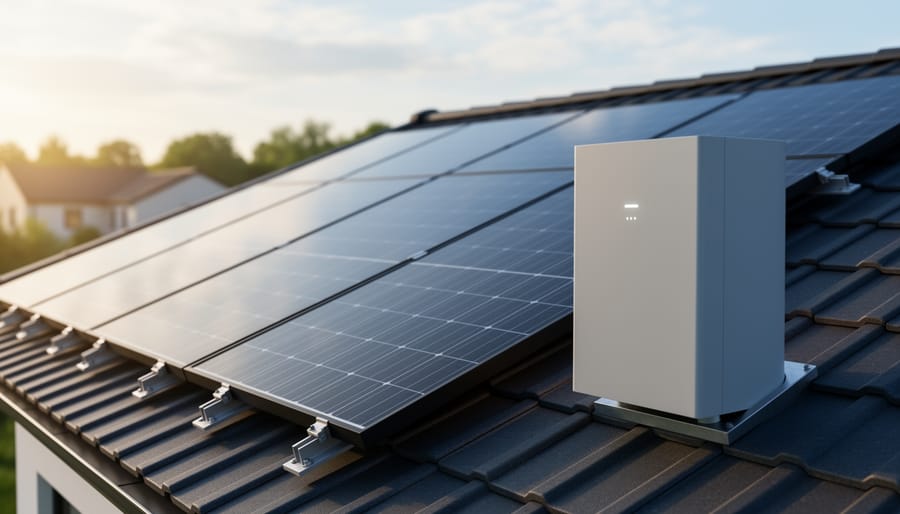
Your inverter receives special attention during service visits. Whether you have a central inverter or microinverters (common in thermal solar systems as well as photovoltaic setups), technicians verify proper operation, check error logs, update firmware if needed, and confirm cooling systems work correctly. Inverter problems account for a significant portion of system failures, making these checks essential.
A professional service typically includes:
- Panel surface cleaning and debris removal
- Electrical output testing and performance verification
- Inverter functionality checks and diagnostics
- Connection tightening and corrosion inspection
- Monitoring system calibration and data review
- Documentation of system performance trends
Finally, technicians analyze your system’s performance data over time, identifying patterns that might indicate developing problems. They’ll verify your monitoring system reports accurately and help you understand what normal performance looks like for your specific installation. This comprehensive approach ensures your system operates at peak efficiency while catching small issues before they become expensive repairs.
The Real Cost of Skipping Regular Maintenance
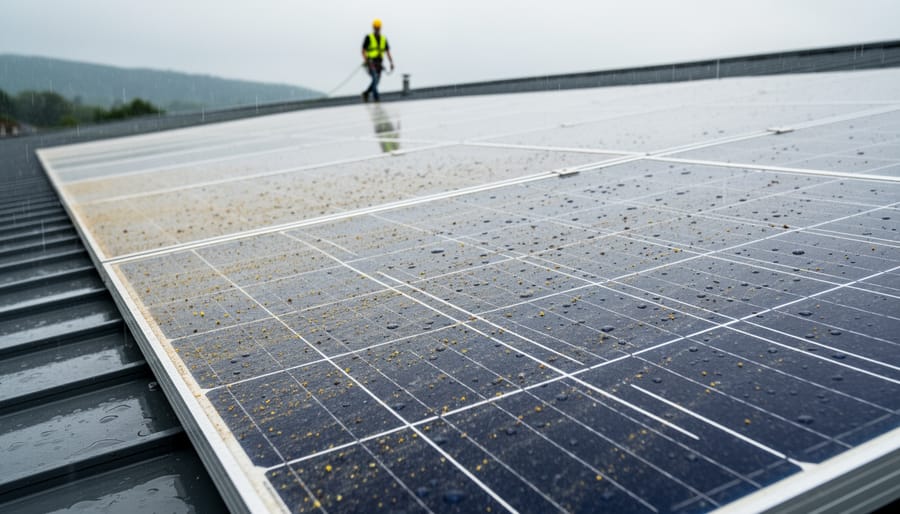
Skipping regular maintenance might seem like a harmless way to save money, but the actual costs add up faster than most homeowners realize. Dust, pollen, bird droppings, and atmospheric pollution accumulate on panels over time, and soiling can cut output by 20-25% even when panels look relatively clean from ground level. That’s potentially hundreds of dollars in lost energy production each year from a system you’ve already invested in.
Beyond efficiency losses, neglected systems face accelerated wear. Loose electrical connections generate heat that degrades components prematurely. Unnoticed microcracks in panels spread under thermal stress, eventually causing complete cell failure. These issues reduce your system’s productive lifespan from the expected 25-30 years to potentially 15-20 years, directly impacting your return on investment.
Warranty complications create another financial risk. Most solar equipment warranties require proof of regular professional maintenance. If your inverter fails after five years but you can’t document routine service, manufacturers may deny your claim, leaving you responsible for a $2,000-$3,000 replacement that should have been covered.
Safety hazards, while less common, deserve serious consideration. Damaged wiring from pest intrusion or weather exposure can create fire risks. Corroded connections may cause electrical arcing. Water intrusion from compromised seals can damage your roof structure beneath the panels. A professional service visit catches these issues early, when repairs are simple and inexpensive rather than catastrophic.
Regular maintenance protects both your system efficiency and your investment. The modest cost of annual service, typically $150-$300, pays for itself through sustained energy production and prevented repairs.
How Often Your System Really Needs Service
Most solar systems don’t need service as frequently as you might think, but they do need consistent attention. A typical residential solar installation benefits from professional inspection once a year, though your specific circumstances might call for a different schedule.
Your local climate plays a significant role in determining service needs. Systems in dusty desert environments or agricultural areas accumulate debris faster than those in cleaner coastal regions. If you live near busy roads, construction sites, or industrial areas, airborne particles will settle on your panels more rapidly. Similarly, homes surrounded by trees deal with pollen, sap, bird droppings, and falling leaves that can obstruct sunlight and reduce efficiency.
System age matters too. Newer installations typically require less frequent intervention during their first few years, assuming proper installation. Once your system hits the 10-year mark, components like inverters may need closer monitoring. Microinverters generally demand less attention than string inverters, which handle more electrical load and can develop issues affecting your entire array.
Here’s a practical framework for scheduling your solar panel maintenance:
| Environment/Condition | Recommended Professional Service | Visual Checks |
|---|---|---|
| Clean, mild climate with minimal debris | Annually | Quarterly |
| Dusty, agricultural, or high-pollen areas | Every 6 months | Monthly |
| Heavy tree coverage or wildlife activity | Every 6 months | Monthly |
| Systems over 10 years old | Every 6-12 months | Monthly |
Between professional visits, monitor your system’s output through your inverter display or monitoring app. Sudden drops in production signal that something needs attention sooner than your scheduled service. Your monitoring data provides valuable insight into whether your current maintenance schedule is working or needs adjustment based on actual performance patterns rather than general guidelines.
DIY Maintenance vs. Professional Service: Where to Draw the Line
Safe Tasks Homeowners Can Handle
Start with a simple monthly walk-around of your system. These basic checks take ten minutes and can catch problems before they escalate.
- Check your monitoring app or inverter display for expected output levels compared to similar weather days in previous months.
- Stand back and scan panels for visible debris like leaves, bird droppings, or heavy dust accumulation.
- Look for new shade patterns from growing trees or structures that weren’t there before.
- Inspect ground-level connections and your inverter for warning lights or unusual displays.
- Note any physical changes like cracked panels, loose mounting hardware, or pest activity around equipment.
For accessible panels on low-slope roofs or ground mounts, gentle cleaning is manageable. Use a soft brush or squeegee with plain water during cool morning hours. Avoid pressure washers, abrasive materials, or harsh chemicals that can damage protective coatings. Never walk on panels or work on wet, slippery surfaces.
Performance monitoring is your most valuable DIY tool. Most modern systems include apps showing real-time production. Compare current output to historical data during similar weather conditions. A gradual 5-10% decline might just be normal aging, but sudden drops warrant investigation. Track this monthly to establish your system’s baseline behavior and spot anomalies early.
When to Call the Professionals
Certain solar system issues require professional expertise for both safety and effectiveness. Electrical problems top this list, if you notice sparking, frequent circuit breaker trips, or burned connections, shut down the system and call a certified technician immediately. Working with high-voltage DC electricity without proper training creates serious shock and fire hazards.
Performance drops exceeding 15% from your baseline deserve professional diagnosis. While dirty panels might cause minor dips, significant declines often signal inverter malfunctions, wiring degradation, or faulty optimizers that require specialized testing equipment to identify.
Physical damage beyond surface scratches needs expert assessment. Cracked panels can develop dangerous electrical shorts, while damaged mounting hardware compromises your roof’s integrity. Professionals have the right safety equipment and insurance for roof work.
Inverter issues, from error codes to complete shutdowns, almost always require technical service. These complex components convert your DC power to usable AC electricity, and DIY repairs typically void warranties while risking further damage.
Speaking of warranties, any repair covered under your equipment or installation warranty must be handled by authorized service providers. Attempting fixes yourself eliminates warranty protection on systems that often carry 10 to 25-year coverage. When electrical safety or expensive equipment is at stake, professional service pays for itself.
Finding a Reliable Solar Service Provider
Finding the right service provider for your solar energy system can feel overwhelming, but a systematic approach makes the process straightforward. Start by verifying credentials, look for NABCEP certification (North American Board of Certified Energy Practitioners), which demonstrates specialized solar training and expertise. Check that the company carries both liability insurance and workers’ compensation coverage. Don’t hesitate to ask for proof; legitimate providers will gladly share this information.
Online reviews offer valuable insights, but read them critically. Look for patterns in feedback rather than fixating on individual complaints. Pay attention to how companies respond to negative reviews, which often reveals more than the complaints themselves. Check multiple platforms beyond Google, including solar-specific forums and the Better Business Bureau.
Service agreements deserve careful scrutiny before signing. Quality contracts clearly outline what’s included in each visit, response times for emergencies, and pricing structures. Be wary of companies pushing multi-year prepaid contracts with vague service descriptions. Transparent providers offer straightforward annual or per-visit pricing without pressure tactics.
Ask specific questions that reveal expertise and reliability. How quickly can they respond to urgent issues? Do they service your specific inverter brand? What happens if they damage something during maintenance? Can they provide references from customers with similar systems? Their answers, and willingness to answer thoroughly, tell you plenty about their professionalism.
Red flags include high-pressure sales tactics, prices significantly below competitors without clear explanation, reluctance to provide written estimates, and pushy upselling of unnecessary equipment. Trust your instincts. If something feels off during initial conversations, it probably is.
Local solar installers often provide excellent ongoing service since they’re invested in their community reputation. Many original installation companies offer maintenance plans for systems they didn’t install, which can be a cost-effective option worth exploring.
What to Expect During a Professional Service Visit
A professional solar service visit typically takes between two to four hours, depending on your system size and any issues discovered. Understanding what happens during this time helps you recognize thorough service and ensures you’re getting what you pay for.
The technician should start with a visual inspection of your panels from the ground and roof level, checking for cracks, discoloration, hot spots, and secure mounting. They’ll examine wiring connections, junction boxes, and conduit for wear, corrosion, or animal damage. Your inverter gets particular attention, with checks on display readings, ventilation, and any error codes stored in its memory.
Performance testing comes next. The technician will measure voltage and current at multiple points in the system, comparing actual output against expected production based on current weather conditions. This reveals efficiency losses that aren’t obvious from casual observation. They’ll also verify that your monitoring system accurately reflects real-time production.
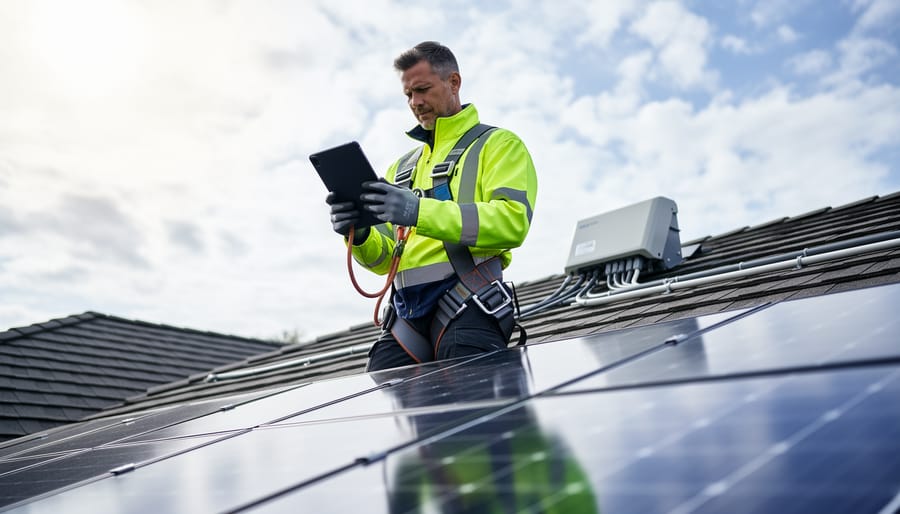
If cleaning is included, professionals use deionized water and soft brushes or specialized equipment, never pressure washers that can damage panels or seals. They should clean from a safety harness when working on roofs, never taking shortcuts that risk falls.
Before leaving, expect documentation that includes test results, photos of any concerns, cleaning confirmation, and specific recommendations for repairs or follow-up. Reputable companies provide a written report within a few days, not just verbal assurances.
The technician should answer your questions clearly and explain any technical findings in plain language. If they rush through the visit in under an hour without thorough testing or skip documentation entirely, that’s a red flag about service quality.
Signs Your Solar System Needs Immediate Attention
Some warning signs mean your solar system needs professional attention right now, not next week or when the next scheduled service comes around. Learning to recognize these red flags protects both your investment and your safety.
A sudden drop in energy production is often the first indicator something’s gone wrong. If your system’s output falls by 15% or more within a few days without obvious causes like weather changes or new shading, that’s your system telling you to investigate. Check your monitoring app daily during the first few months of ownership to establish what normal looks like for your home.
Error messages or warning lights on your inverter display require prompt attention. Most inverters use color-coded systems where green means all’s well, yellow indicates minor issues, and red signals serious problems. If you see a persistent red light or unfamiliar error code, don’t ignore it. Many manufacturers provide error code guides in their documentation, but even if the manual suggests a simple reset, contact a professional if the problem returns.
Physical damage to panels deserves immediate evaluation, especially cracks that penetrate the glass surface. While surface scratches rarely affect performance, cracks can allow moisture into the panel’s internal structure, creating corrosion and electrical hazards. The same goes for loose or damaged mounting hardware, which poses both performance and structural risks during storms.
Inverter problems show up in various ways beyond error messages. Unusual clicking, buzzing, or humming sounds often indicate failing components. An inverter that feels excessively hot to the touch or shuts down repeatedly needs professional diagnosis. Since inverters typically last 10-15 years compared to panels’ 25-30 year lifespan, age-related failures are common and shouldn’t be delayed once symptoms appear.
Trust your instincts. If something seems off with your solar system, it probably is. A quick call to your service provider costs nothing and might prevent expensive damage or dangerous situations.
Your solar panels aren’t just equipment bolted to your roof, they’re an active investment in cleaner energy and lower utility costs. Regular service keeps that investment working at full capacity, year after year. You wouldn’t skip oil changes on your car and expect peak performance, and the same principle applies here.
Creating a maintenance plan doesn’t need to feel overwhelming. Start with monthly visual checks you can do yourself, schedule annual professional inspections, and keep records of your system’s performance. This combination gives you control while ensuring expert eyes catch what you might miss.
Whether you’re maintaining existing panels or considering renewable upgrades for your home, proper service protects both your financial investment and your environmental impact. A well-maintained system produces more clean energy, offsets more carbon, and lasts longer, exactly what you signed up for when you chose solar. Take charge of your system’s care, and it’ll keep delivering the sustainability benefits that matter to you.