
Stop before purchasing PBN links for your sustainable living blog. Private Blog Networks might promise quick SEO wins, but they violate Google’s guidelines and can destroy your site’s credibility overnight. Services like hetneo.link/pbn-links exist, but understanding the risks helps you make informed decisions aligned with your values.
The irony isn’t lost: promoting sustainable, ethical living while using manipulative link schemes contradicts everything your audience trusts you for. When Google’s algorithms detect PBN footprints—and they will—your rankings plummet, traffic vanishes, and months of genuine content creation disappear. Even worse, manual penalties can take years to recover from, if recovery happens at all.
Here’s the truth sustainable living bloggers need: authentic link building takes longer but creates lasting results. Your niche thrives on community, transparency, and trust—qualities that naturally generate backlinks when you focus on valuable content. Guest posting on legitimate eco-blogs, creating original research about environmental impact, collaborating with green brands, and building relationships with fellow sustainability advocates all produce links that strengthen rather than sabotage your site.
Think of PBN links like greenwashing—they look appealing superficially but damage your reputation when exposed. Your blog deserves the same integrity you bring to sustainable living practices. This article explores why PBNs fail sustainable blogs specifically, what penalties look like in practice, and which white-hat strategies actually work for growing your environmental platform ethically and effectively.
What Are PBN Links and Why Do Bloggers Use Them?
If you’ve been researching ways to grow your sustainable living blog, you might have come across offers for something called PBN links. Let’s break down what these actually are in plain language.
PBN stands for Private Blog Network. Essentially, it’s a collection of websites that someone creates or purchases specifically to link back to other websites. Think of it like this: imagine someone owns twenty different blogs, and they use all of them to point links toward your site, making it appear to search engines that your content is popular and trustworthy.
Companies that sell PBN links market them as shortcuts to better search rankings. They promise that these links will boost your blog’s visibility on Google quickly, helping you reach more people interested in eco-friendly living. For sustainable living bloggers who are passionate about spreading their message, this can sound incredibly appealing. After all, the faster you can reach readers, the more impact you can make, right?
The pitch usually goes something like this: instead of spending months building genuine relationships and earning natural links, you can pay for instant authority. For bloggers focused on making a difference in the environmental movement, who might not have time for lengthy SEO strategies while also creating content and living sustainably themselves, this “quick win” seems practical.
Sustainable living blogs are often targeted by these services because they’re in a growing niche with passionate creators who may not have extensive marketing backgrounds. The sellers know that eco-conscious bloggers want to amplify their positive message and might see PBN links as a means to that meaningful end.
However, there’s much more to this story that you need to understand before considering this path.
The Promised Benefits That Sound Too Good to Be True
When you start researching ways to grow your sustainable living blog, you’ll likely encounter PBN providers making some pretty enticing promises. Let’s look at what they typically claim—because understanding these offers is the first step in making an informed decision.
PBN sellers often guarantee faster rankings on Google, sometimes promising first-page results within weeks rather than months. For bloggers working hard to share eco-friendly tips and sustainable practices, this sounds like a dream come true. They’ll show you impressive case studies with charts demonstrating dramatic traffic spikes and climbing search positions.
Another common promise is increased domain authority—that numerical score that supposedly reflects your site’s credibility. Providers claim their network of websites will pass authority to your blog, making it appear more trustworthy to search engines. For newer sustainable living blogs struggling to establish credibility in a competitive niche, this can seem like exactly what you need.
You’ll also hear about significant traffic increases. Imagine doubling or tripling your readership, getting your composting guides and zero-waste tips in front of thousands more people who genuinely need them. The pitch makes sense: more backlinks equals better rankings equals more visitors discovering your content.
On the surface, these benefits align perfectly with your goals as an environmental blogger. You’re creating valuable content about reducing plastic waste, conserving energy, and living more sustainably—shouldn’t more people see it? The promises sound reasonable, even logical. But as with many shortcuts in life, there’s more to the story than the sales pitch reveals.
The Real Costs: Why PBNs Contradict Sustainable Values
Search Engine Penalties Can Wipe Out Years of Work
Google penalties are the search engine’s way of removing websites that break their guidelines from search results—and it happens more often than you might think. When Google discovers a PBN, every site connected to it can lose rankings overnight. Imagine waking up to find your blog traffic dropped from thousands of visitors to just dozens, erasing years of effort in minutes.
Real sustainable living blogs have experienced this firsthand. One popular zero-waste blogger saw their site completely disappear from Google after using PBN links, losing 90% of their income and their ability to reach people who needed their message. Another eco-conscious site took over two years to recover their rankings after a penalty.
Here’s the irony: using PBNs for a sustainability blog contradicts everything you stand for. Just as fast fashion creates short-term convenience with long-term consequences, PBN links offer quick rankings that ultimately damage your site’s foundation. Google’s algorithms keep getting smarter at detecting these networks, making penalties increasingly likely. The risk simply isn’t worth the temporary boost, especially when legitimate strategies can build lasting visibility without endangering everything you’ve created.
The Trust Factor: Your Audience Can Tell the Difference
Here’s the thing about the sustainability community: they have finely-tuned radar for anything that feels inauthentic. Your readers didn’t just stumble into eco-conscious living—they actively chose it, often after questioning mainstream narratives and doing their own research. These are folks who read ingredient labels, check sources, and can spot greenwashing from a mile away.
When you use PBN links, you’re essentially building your credibility on a foundation of artificial connections. And here’s what makes this particularly risky in the sustainability space: your audience values transparency and genuine relationships above almost everything else. They want to know that your recommendations come from real experience, that your partnerships are authentic, and that you’re walking the talk.
Think about it this way—if someone discovered that an organic product they trusted was actually using questionable practices behind the scenes, they’d feel betrayed. The same applies to how you build your blog’s authority. When readers sense something’s off, or when Google inevitably catches and penalizes PBN activity, you risk losing the trust that took years to build. In a niche where authenticity isn’t just preferred but expected, that’s a credibility hit you simply can’t afford.
Sustainable Link Building: Strategies That Actually Work
Create Content That Naturally Attracts Links
Instead of relying on questionable shortcuts, focus your energy on creating content that naturally earns links because it’s genuinely valuable. Original research stands out beautifully in the sustainability space—consider conducting surveys about eco-friendly habits in your community or tracking your own experiments with zero-waste living over several months. These authentic stories give other bloggers concrete data to reference.
Practical guides work wonderfully for sustainable living topics. Think comprehensive how-to articles like “Complete Guide to Starting a Balcony Garden” or “building sustainably on a budget.” When you solve real problems with clear, step-by-step instructions, other websites naturally want to share your content with their readers.
Expert roundups also attract quality links. Reach out to sustainability professionals, ask thoughtful questions about current environmental challenges, and compile their insights into a single resource. People love seeing their contributions featured and will often share the finished piece with their own audiences.
The key is creating content so helpful that linking to it becomes the obvious choice for other writers in your niche.
Build Relationships with Like-Minded Sites
The most rewarding alternative to PBN links is building genuine relationships within the sustainability community. Start by identifying blogs, organizations, and content creators who share your values and target audience. Follow their work, engage meaningfully with their content through thoughtful comments, and share their posts when they genuinely resonate with you.
Reach out personally to propose collaborations that benefit both parties. This might include co-creating comprehensive guides on topics like zero-waste living, interviewing each other for expert perspectives, or contributing guest posts that provide real value to their readers. When you focus on creating something genuinely helpful together, backlinks often follow naturally.
Consider joining sustainability-focused online communities, attending virtual or in-person eco-conferences, and participating in roundup posts or collaborative projects. These authentic connections lead to organic link-building opportunities that search engines reward because they reflect genuine authority and trust.
The beauty of this approach is that you’re building lasting partnerships rather than manipulating algorithms. These relationships often result in recurring collaborations, social media amplification, and referrals that extend far beyond a single backlink. Plus, you’re strengthening the entire sustainable living community, which aligns perfectly with the collaborative spirit that makes environmental progress possible.

Guest Posting Done Right
Guest posting offers a legitimate path to building your blog’s authority when approached thoughtfully. Focus on contributing genuinely helpful content to established environmental sites rather than chasing link placements. Start by identifying platforms whose values align with yours—look for sites with engaged communities and quality content standards.
Before pitching, spend time understanding each site’s audience and content gaps. What practical advice or unique perspective can you offer their readers? Perhaps you’ve mastered composting in small spaces or discovered budget-friendly zero-waste swaps worth sharing.
When crafting your guest post, prioritize delivering real value over promoting your blog. Include one natural, contextually relevant link back to your site where it genuinely serves the reader’s journey. This quality-over-quantity approach builds meaningful relationships with site editors and their audiences. Many sustainable living advocates have found that publishing two exceptional guest posts yearly outperforms churning out monthly mediocre content. The key is creating pieces readers actually want to share, which naturally amplifies your reach while supporting the broader eco-conscious community.
Leverage Your Expertise and Credentials
Instead of relying on questionable link schemes, build genuine authority by showcasing your real expertise. Start by creating detailed author bios that highlight your sustainability credentials, whether that’s formal education, certifications, hands-on experience with zero-waste living, or years of environmental advocacy. Share your personal journey and what makes your perspective unique. Collaborate with recognized experts in the sustainability field through guest posts, interviews, or joint content projects. These legitimate partnerships create natural backlinks while adding credibility to your blog. Develop comprehensive professional profiles on platforms like LinkedIn, where you can connect with other environmental professionals and share your content organically. Contribute thoughtful comments and insights to respected sustainability forums and publications. When you demonstrate authentic expertise through consistent, valuable contributions, other credible sites will naturally link to your work without artificial manipulation.
How to Recover If You’ve Already Used PBN Links
If you’ve already invested in PBN links, there’s no need to panic. Many bloggers have made this mistake before realizing the risks, and the good news is that you can fix it. Taking action now protects your sustainable living blog from potential penalties and sets you on a healthier path forward.
Start by conducting a backlink audit to identify problematic links. Log into Google Search Console and navigate to the Links section under the Legacy Tools menu. Download your backlink report and review it carefully. Look for suspicious patterns like links from unrelated sites, multiple links from domains with similar IP addresses, or links from low-quality websites with thin content.
Once you’ve identified questionable backlinks, your first step should be reaching out to the site owners and requesting removal. Draft a polite email explaining that you’d like the link removed. Keep it simple and professional. While many PBN operators won’t respond, making the effort shows Google you’re taking the situation seriously.
For links you can’t get removed, you’ll need to use Google’s Disavow Tool. Create a text file listing the domains or specific URLs you want Google to ignore when evaluating your site. Access the Disavow Tool through Google Search Console, upload your file, and submit it. Remember that this tool should be used carefully—only disavow links you’re confident are harmful.
After addressing the PBN links, shift your energy toward building legitimate backlinks through the ethical strategies we discussed earlier. Your sustainable living blog deserves a foundation built on genuine connections and quality content, not shortcuts that undermine your mission.
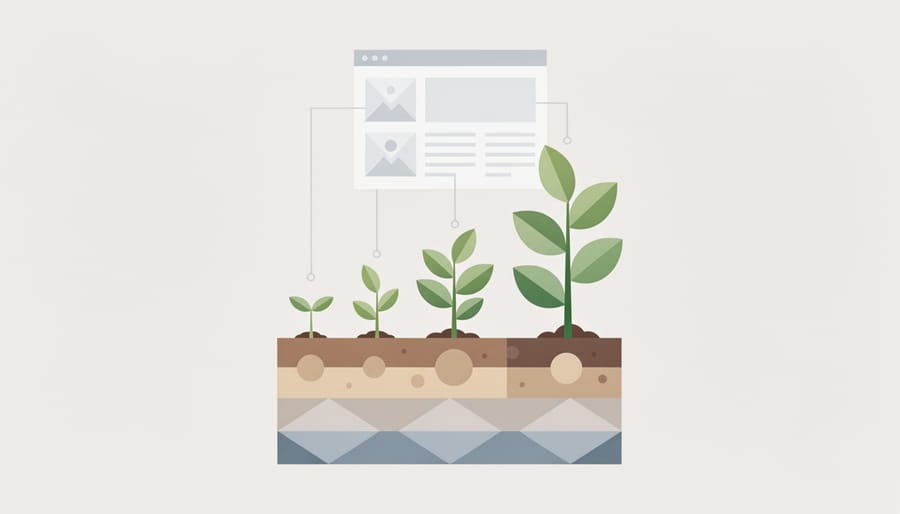
Building a sustainable living blog requires the same patience and long-term thinking you bring to your everyday green choices. Just as you wouldn’t take shortcuts that harm the planet for quick convenience, your SEO strategy should reflect your core values. The truth is, PBN links promise fast results but deliver long-term damage to your credibility and search rankings.
Instead, invest your energy in what truly matters: creating valuable content that helps people live more sustainably and fostering authentic community building. Your readers came to you for honest guidance about environmental issues. They deserve the same authenticity in how you grow your platform. Focus on genuine connections, helpful resources, and ethical practices. Your blog will grow sustainably, just like the lifestyle you’re promoting.